
Which corrugated sheet should I choose? An honest take on quality and prices
Over 10 years I've helped several thousand customers choose the right corrugated sheet. In this article I'll share what I've learned - where to pay attention, where not to cut corners, and where you can safely save money.
1. What is corrugated sheet made of?
Corrugated sheet can be made from four materials. Each has its place - but for most people, one is a much better choice than the others.
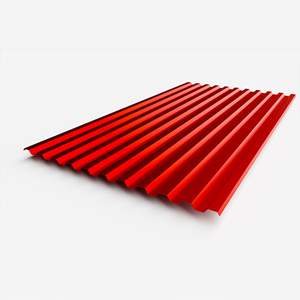
Steel - the most common and best value for money
90% of corrugated sheets are made of steel, and for good reason. Steel is strong, durable, and the galvanising protects it from rust.
Our sheets are made of Lindab-grade steel with 275 g/m² galvanising. That's industrial quality - far more than you get in most DIY stores.
Steel's only drawback is weight - it's heavier than aluminium. But that only matters if you have to transport it very long distances, or if the roof structure is weak.
Aluminium - more expensive, but it has its uses
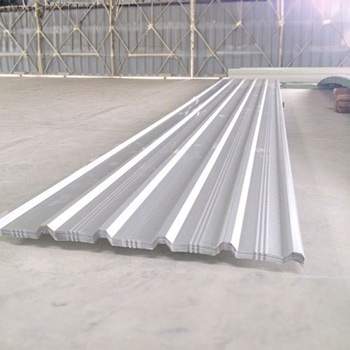
Aluminium is lighter and doesn't rust. But it's also weaker, and costs two to three times as much.
When is aluminium worth choosing? For seaside houses (because of the salty air), or when you need an extremely light solution (e.g. on an old, weak structure).
For most Hungarian applications it's overkill - steel does the job perfectly well, and is far cheaper.
Plastic / PVC - only for temporary solutions
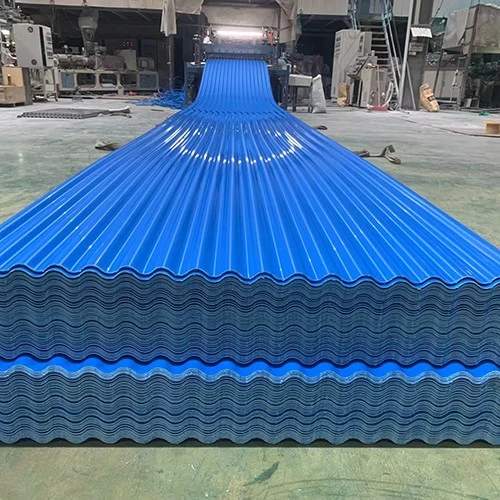
PVC corrugated sheet is cheap and light. But it isn't durable - within a few years it discolours, becomes brittle, and the wind lifts it off more easily.
It makes sense if you need temporary cover (e.g. during construction), or if you want a translucent roof (for a greenhouse). As a long-term solution it isn't suitable.
Sandwich panel (insulated) - for specialist use
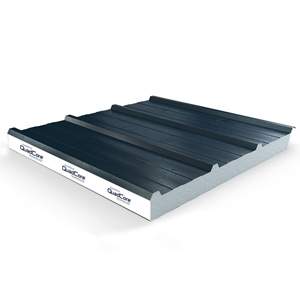
A sandwich panel has insulation between two sheet layers. Good thermal and acoustic insulation, but far more expensive and heavier.
Worth it if you're building a heated structure and want to solve roofing and insulation in one go. For a shed or garage, it's overkill.
Our take
We only sell steel corrugated sheet, because after 10 years of experience we've found it's the best choice for most people. Strong, durable, affordable. Aluminium, PVC and sandwich panel are for specialist cases - if you're looking for something like that, we're happy to recommend a partner.
2. What thickness of corrugated sheet should I buy?
Thickness is perhaps the most important decision. Sadly, many people try to save money here and later regret it. Let me explain why.
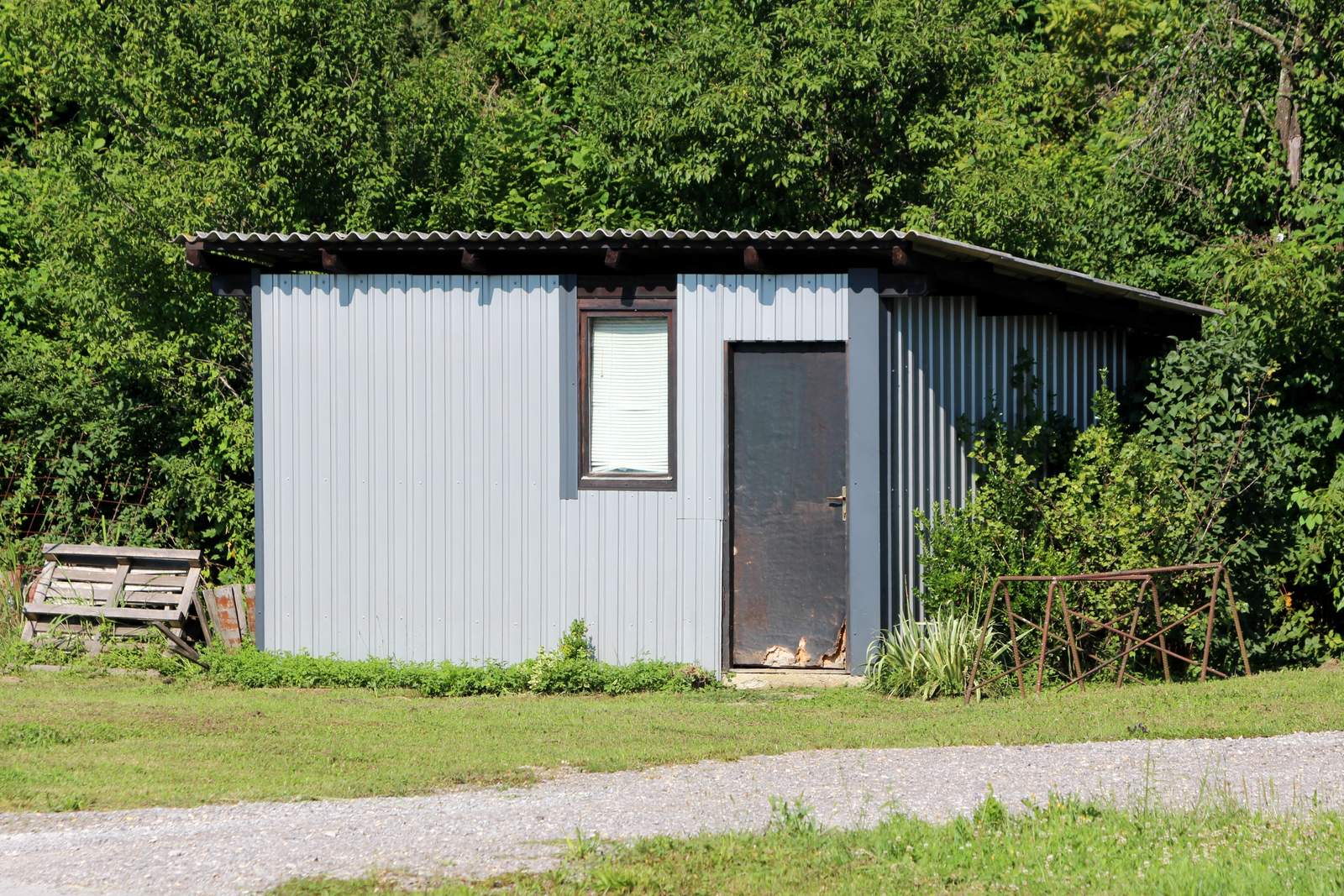
0.3-0.4 mm - avoid it
DIY stores sell these sheets at "special offer" prices. They're cheap for a reason:
- Flexible - they dent easily during installation
- Less galvanising fits on the thinner material
- They start to rust after 3-5 years
- In strong wind they "pump" - the roof ripples
Fine for a temporary solution, but not for a lasting roof.
0.5 mm - the golden middle ground
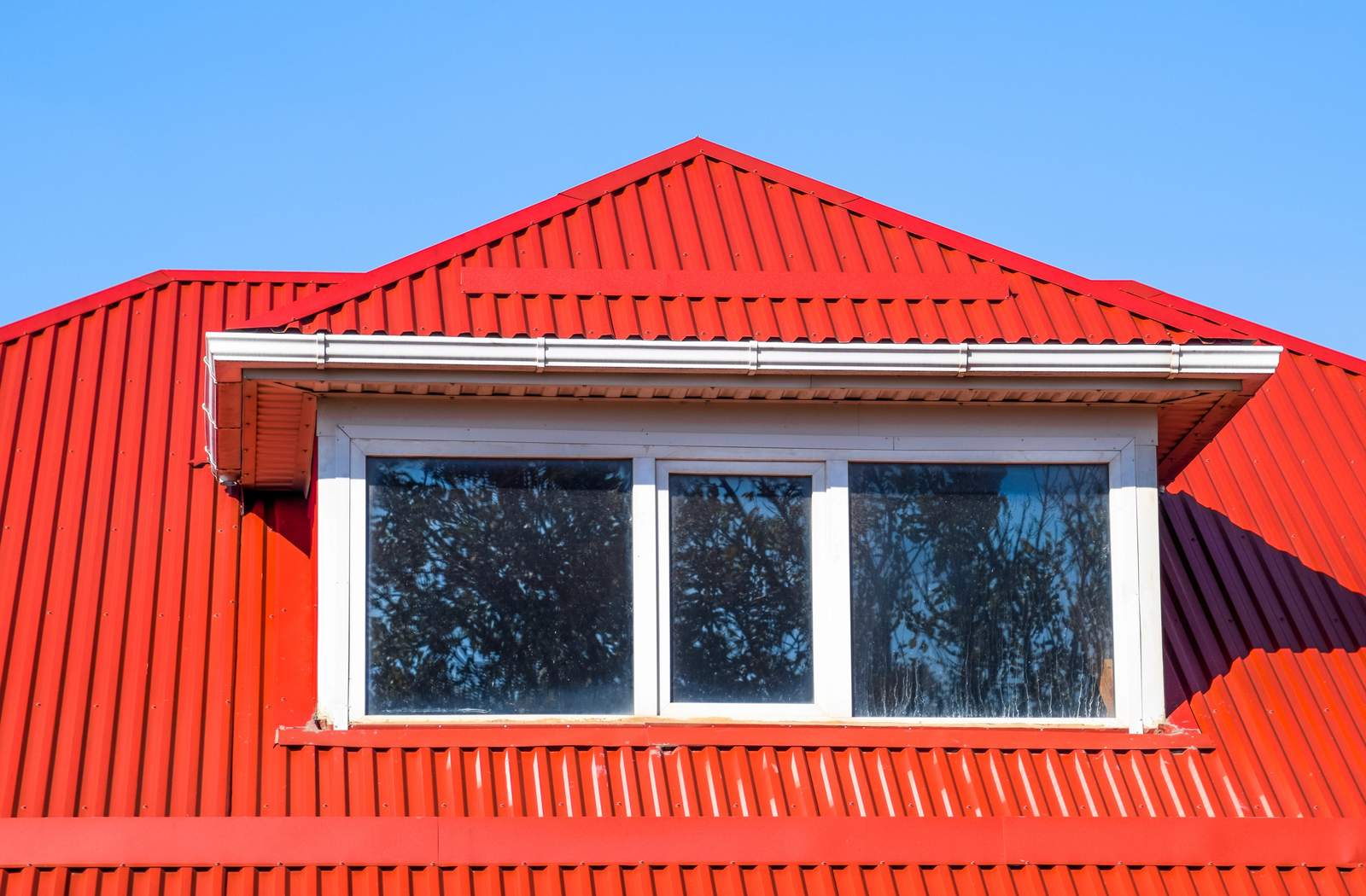
We only sell 0.5 mm sheet. Why this exact thickness?
- Stiff enough - it doesn't dent during installation
- 275 g/m² galvanising fits on it - full protection
- 20-30 years of service life is realistic
- Still light - doesn't overload the structure
- The price is reasonable - not much more expensive than 0.4 mm
0.6-1.0 mm - for industrial use
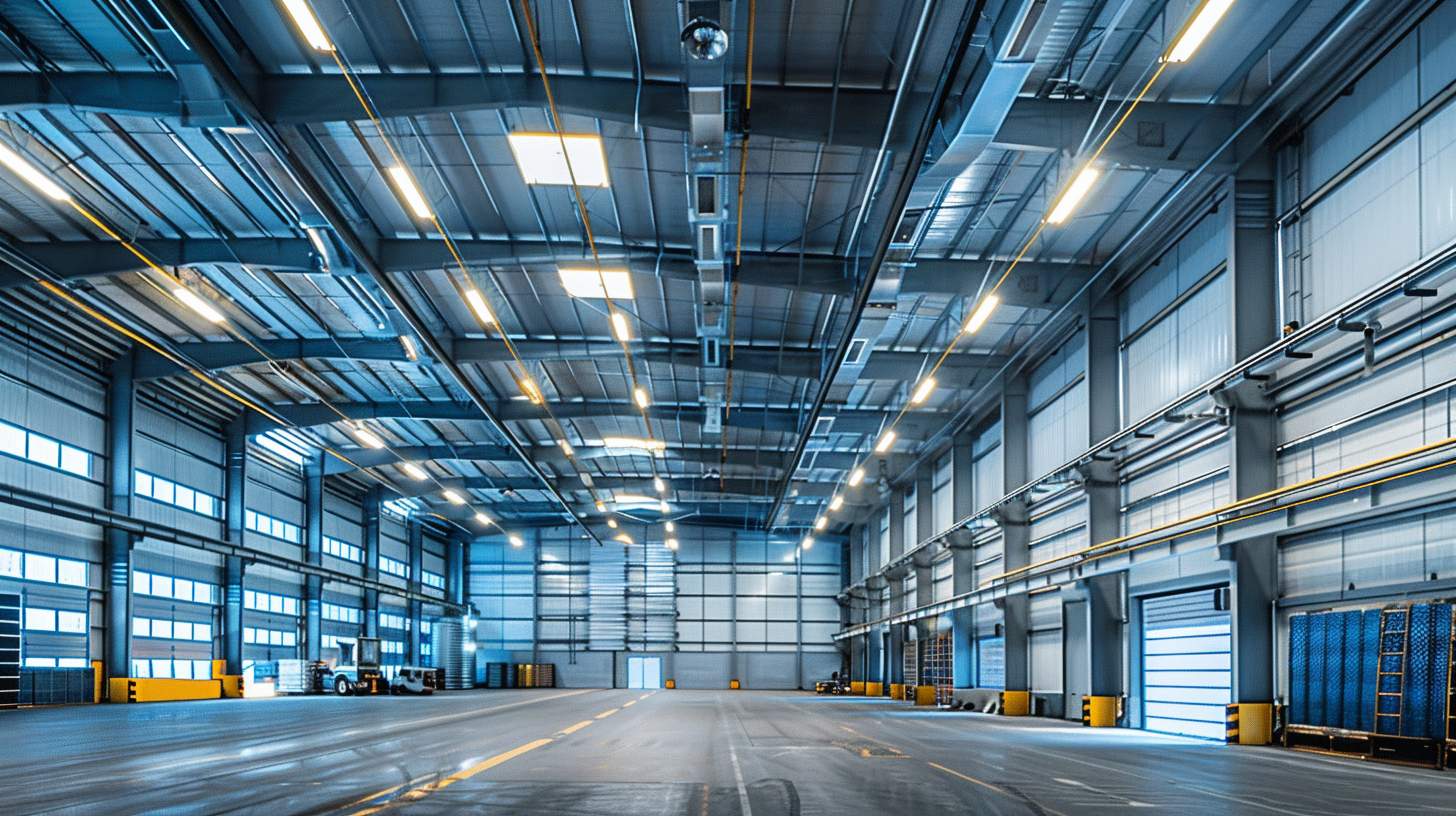
Greater thickness = higher load capacity. But it's also more expensive and heavier.
- Industrial halls, logistics centres
- Sites with extreme weather
- Long spans with widely spaced supports
Usually overkill for a standard home, garage or fence.
Why don't we sell 0.4 mm sheet?
Simple: too many complaints came back. Bent, dented, rusted. Not because the sheet was poor quality - but because this thickness isn't enough for long-term use.
We made a decision: we'd rather not sell something we can't recommend with a clear conscience. That's why we stuck with 0.5 mm.
3. Which coating should I choose?
The coating protects the sheet and gives it its colour. There are a few types - let's look at which one suits which use.
Galvanised (natural)
Silver-coloured, unpainted. The cheapest option. The zinc coating protects against rust, but there's no extra paint on top.
Good choice for: industrial buildings and sheds, where appearance doesn't matter.
Downside: it turns matt over time - not as attractive as the painted version.
Painted (polyester)
Coloured, with a protective paint layer. This is the most common choice for homes. The paint provides extra protection and a nice appearance.
Good choice for: family houses, garages, fences - anywhere where looks matter.
This is what we sell in 9 colours.
Aluzinc (Galvalume)
Aluminium-zinc alloy coating. Better corrosion protection than plain galvanising, but more expensive.
Good choice for: aggressive environments (e.g. near the coast, chemical plants).
Downside: harder to paint, more expensive.
PVDF coating
Premium, extra-durable coating. 30+ years of service life, doesn't fade, doesn't wear. But 20-30% more expensive.
Good choice for: premium homes and prestige buildings, where long-term good looks matter.
Downside: the price. Overkill for normal use.
What we recommend
For most customers we recommend the painted polyester coating. Attractive, durable, and the price is reasonable. The premium PVDF coating is only worth it if you're genuinely planning for 30+ years and the aesthetics really matter.
Galvanised (natural) is a good choice when only function counts - for industrial buildings and sheds it's often the best solution.
Frequently asked questions
Over the last 10 years these are the questions we've been asked most often. If you have a similar question, here's the answer:
Material and quality
Which corrugated sheet material offers the best value for money?
Galvanised and painted steel corrugated sheet. Aluminium is more expensive and weaker, PVC isn't durable. Steel is the golden middle ground: strong, long-lasting and affordable. We use 0.5 mm Lindab steel sheet.
Why isn't the 0.4 mm sheet worth it?
The 0.4 mm sheet is flexible, dents easily, and on the thinner material the galvanising layer isn't thick enough either. After a few years it starts to rust. The 0.5 mm is already stiff and durable enough - that's why we sell only this.
What does galvanising mean and why does it matter?
Galvanising is a zinc coating on the surface of the steel, which protects it from rust. We use 275 g/m² galvanising - industrial grade. On cheap sheets it's 100-150 g/m², which is why they rust quickly.
Is a polyester-coated sheet worth buying?
For a premium home, yes, because it lasts longer and has a nicer surface. For a garage, shed or fence, the standard painted coating is perfectly adequate - and cheaper.
Prices and range
How much does corrugated sheet cost per square metre?
With us, between 2,500 and 4,500 Ft/m², depending on colour and quantity. Galvanised (natural) is the cheapest, special colours cost more. Our calculator gives you an exact price.
Is there a volume discount?
Yes, for larger orders we automatically apply a better unit price. Our calculator already includes these discounts.
Which colour corrugated sheet should I choose?
The most popular are cherry, anthracite and brown - these suit most houses. Galvanised (silver) is good for industrial buildings and sheds. The exact colour code matters if you're matching existing sheeting.
What makes Lindab sheet different from the rest?
Lindab uses premium-grade steel with thicker galvanising and better-quality paint. It's more expensive than Chinese sheet, but still looks good after 20-30 years. That's why we chose it.
Farkas Roland
managing director
Can't decide? We'll help!
If you're still unsure, feel free to call. With free advice we'll help you pick the right sheet for your project.
Tell us what you need it for and we'll tell you what we recommend - honestly, not to sell you something you don't need.