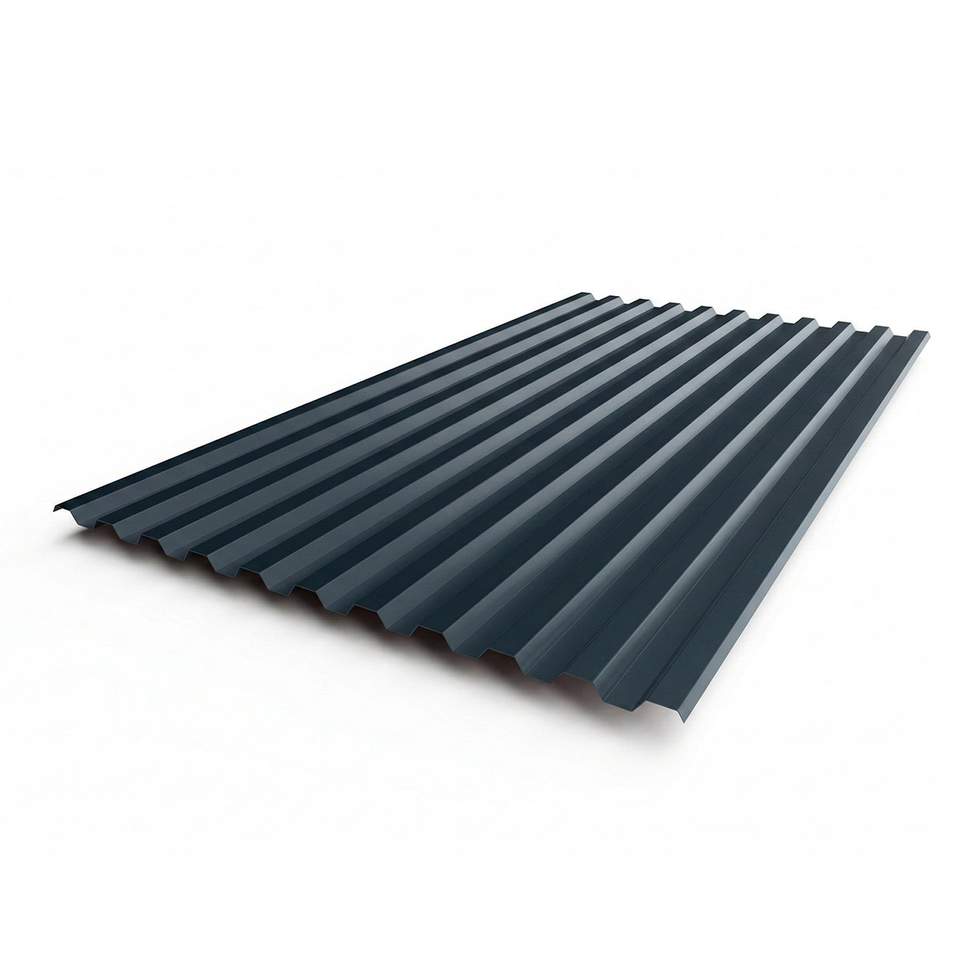
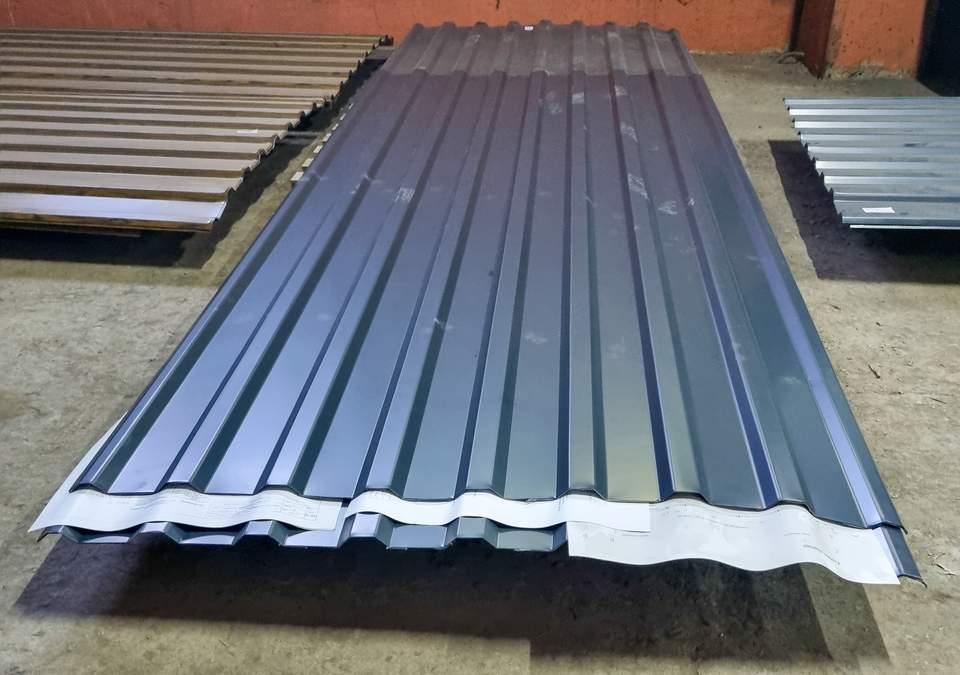
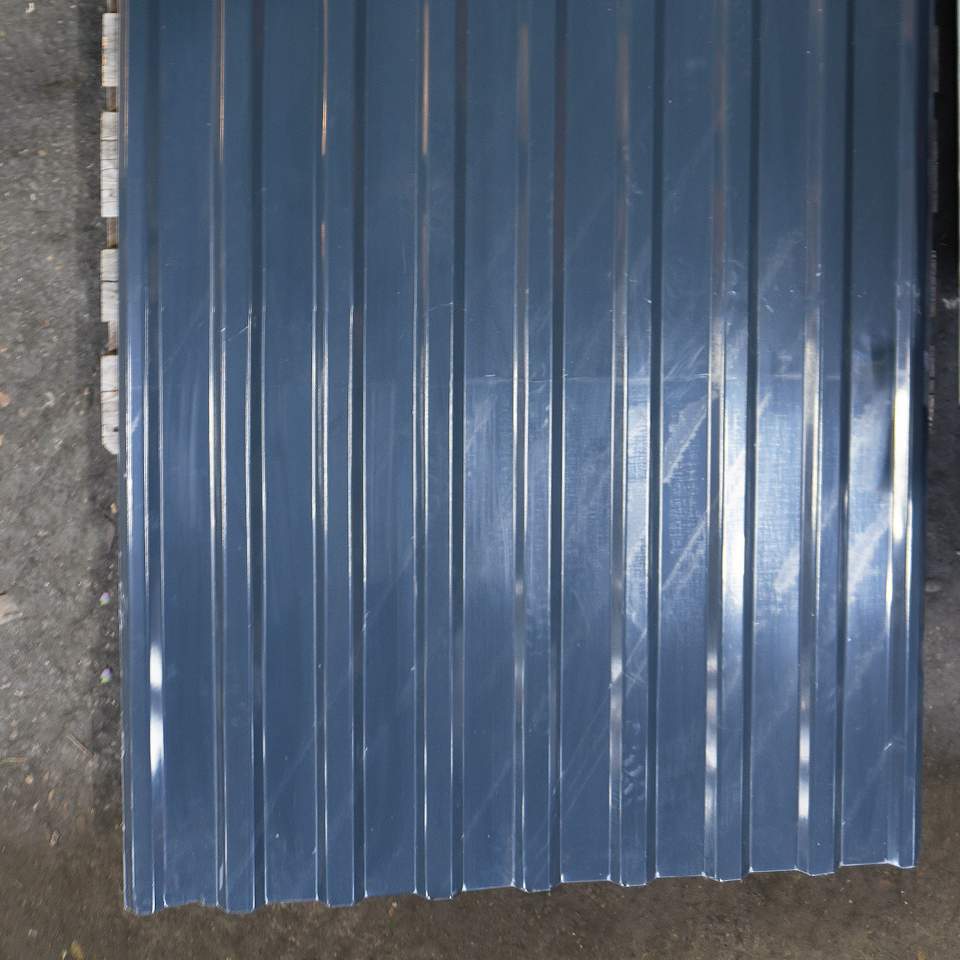
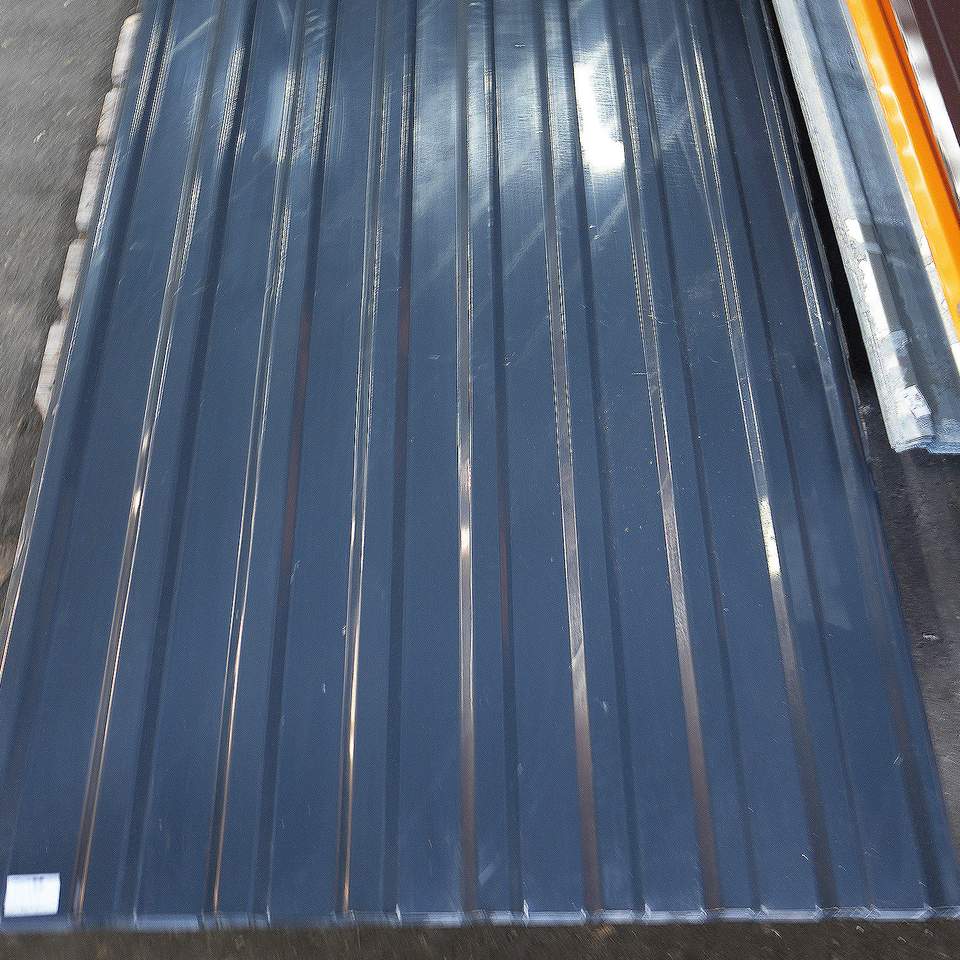
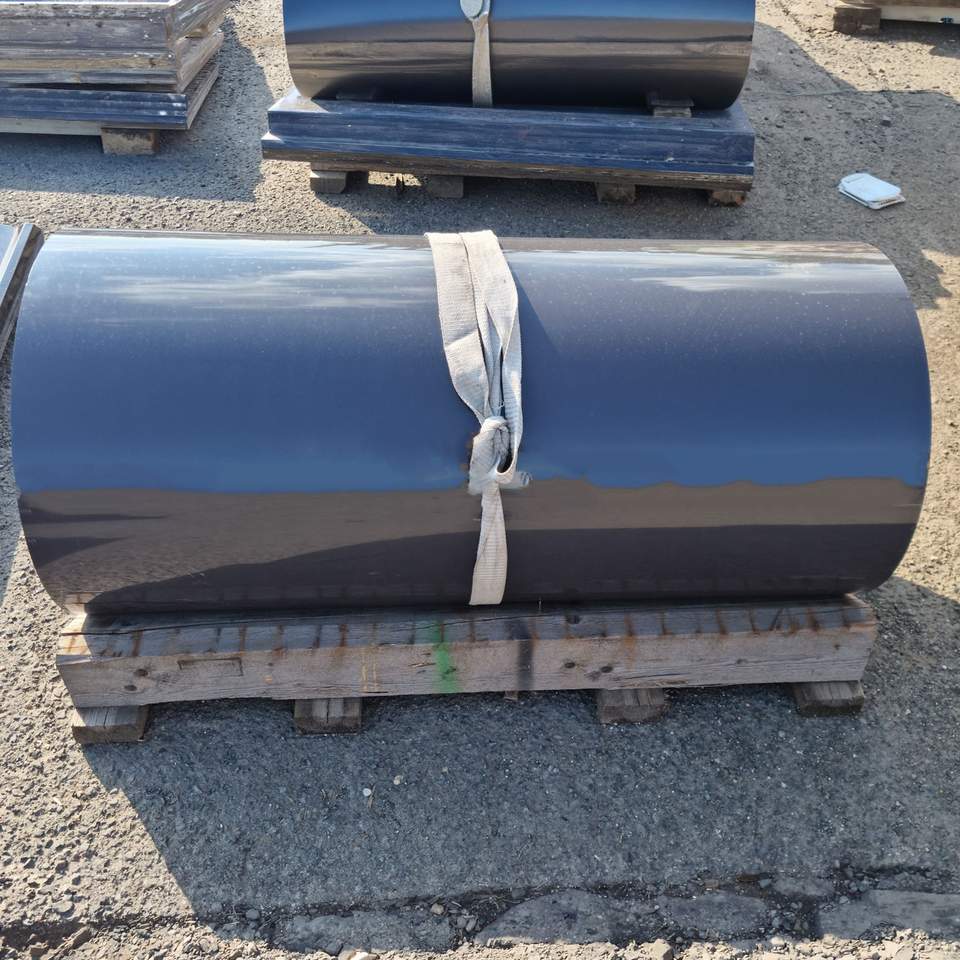
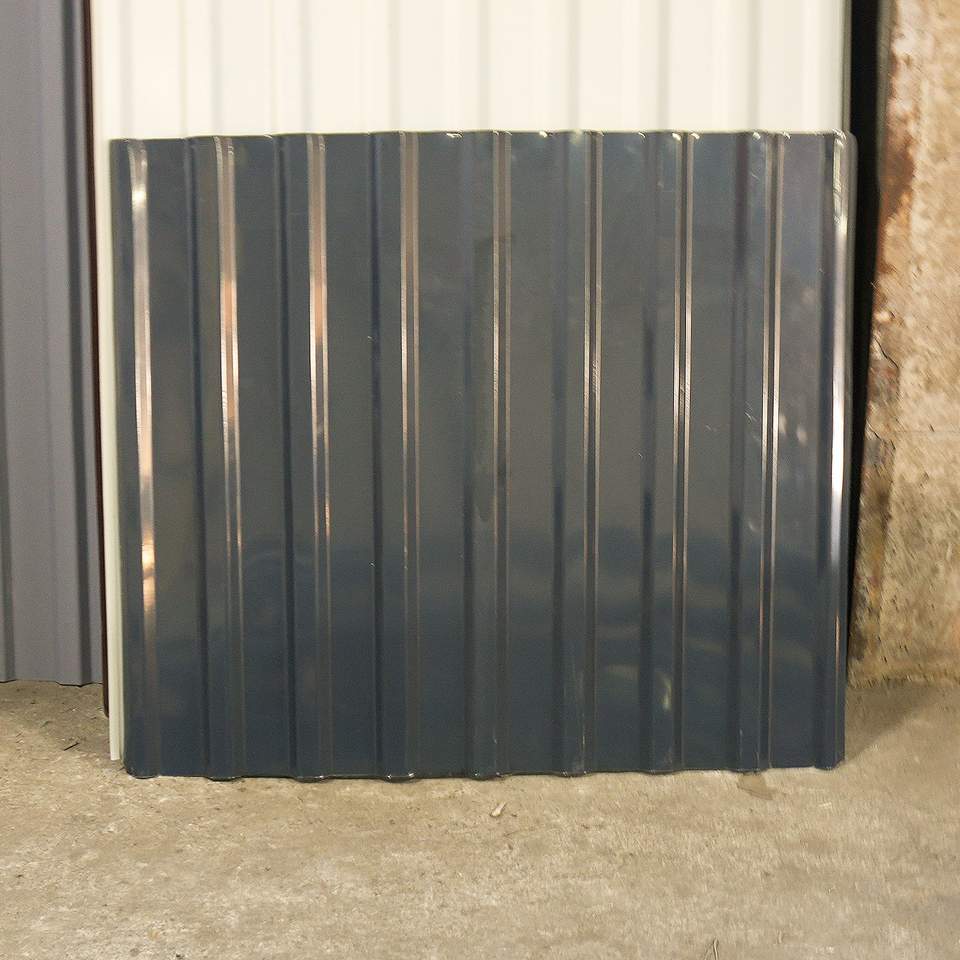
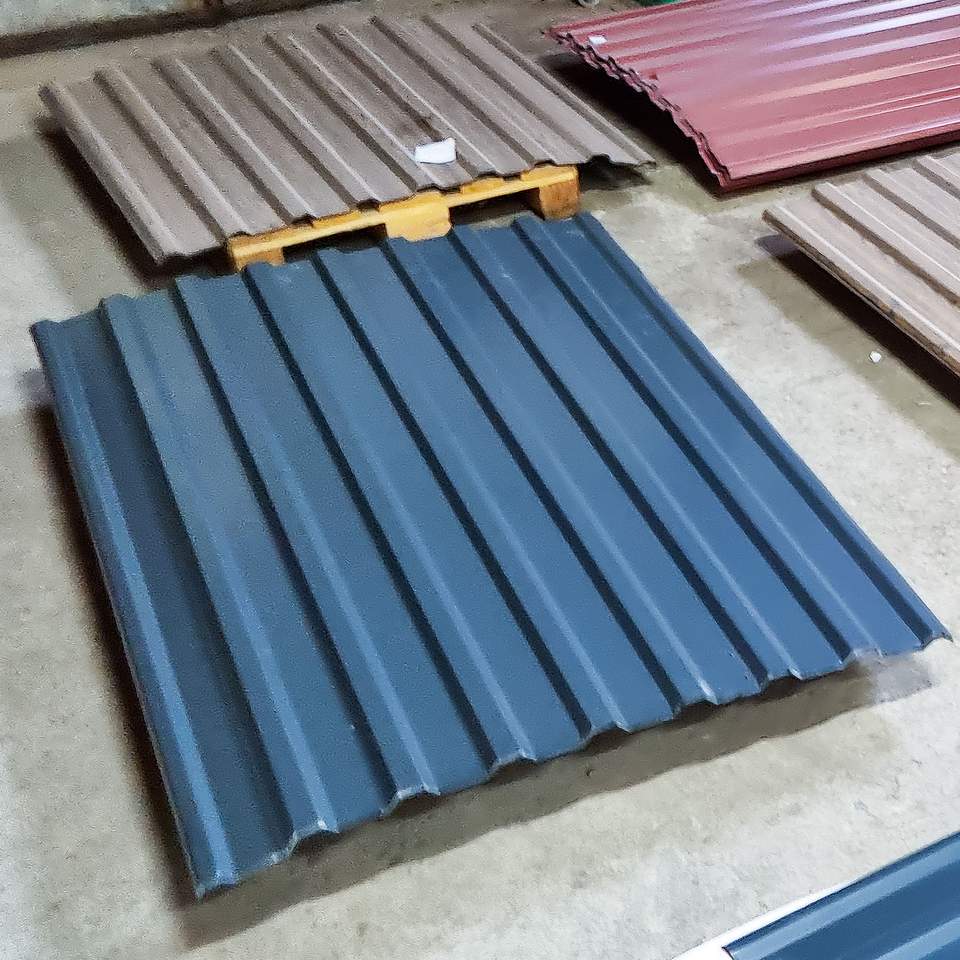
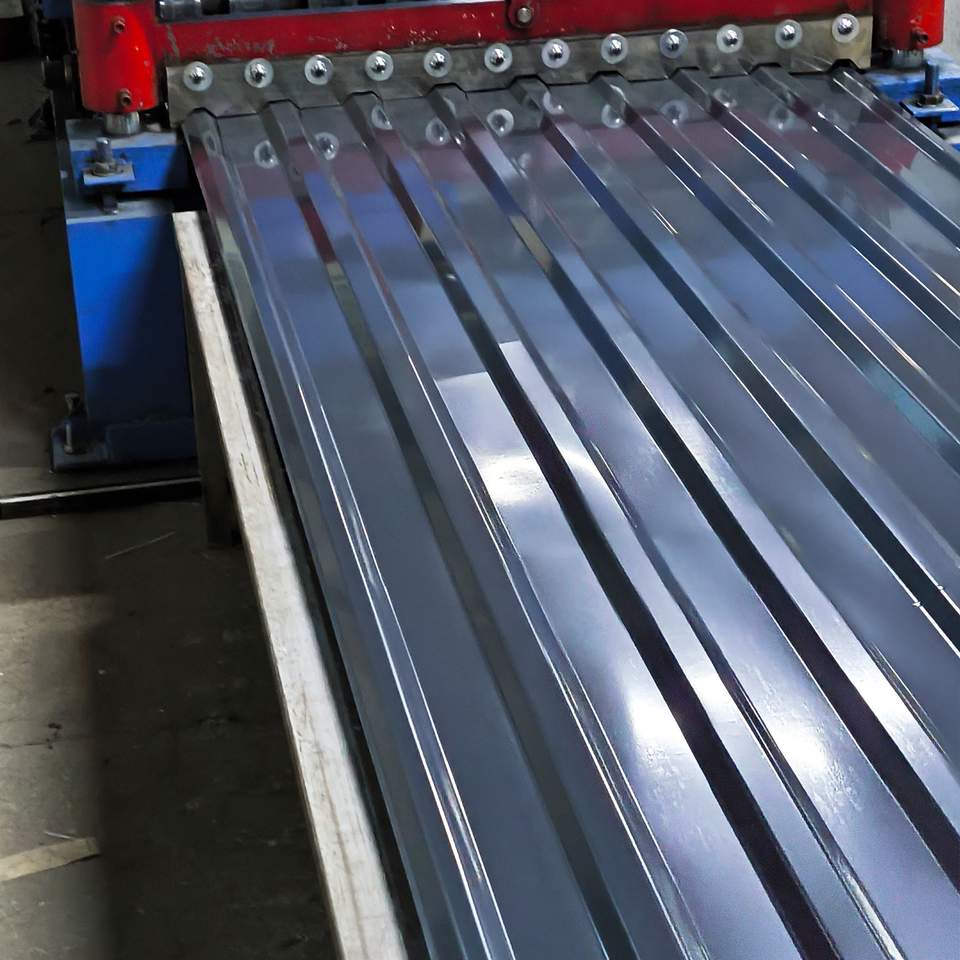
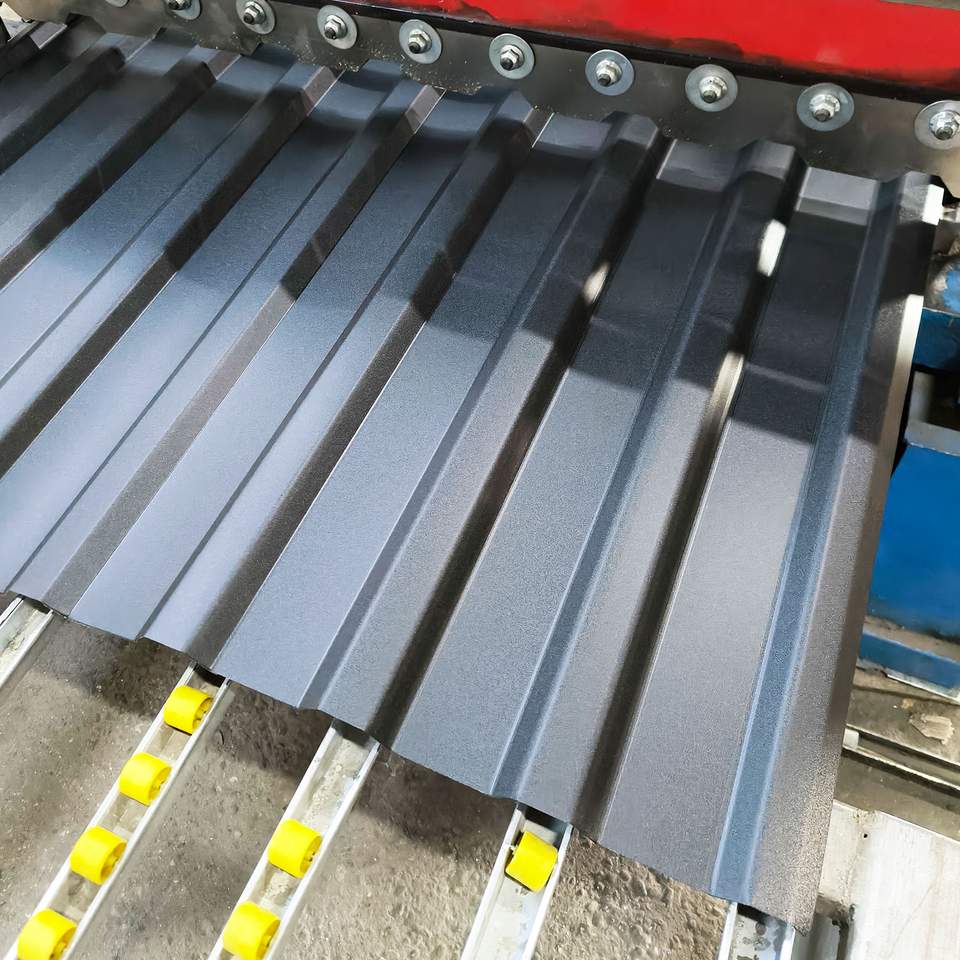
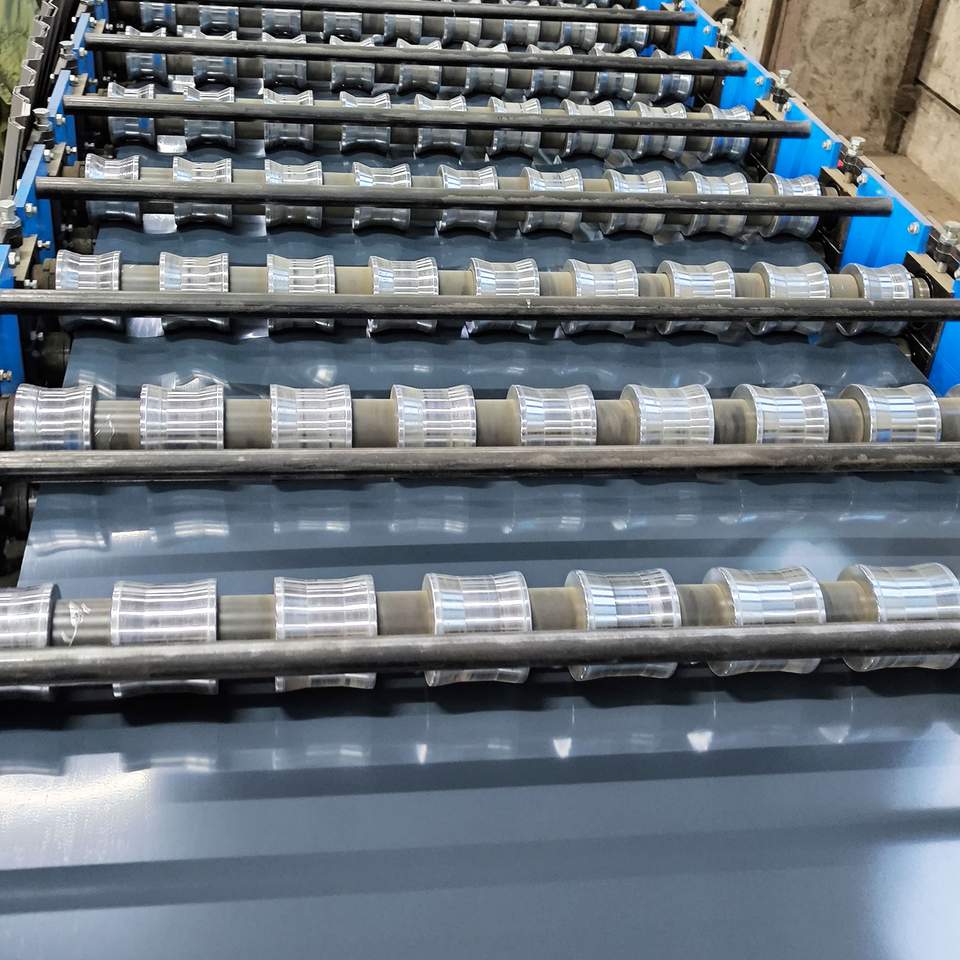
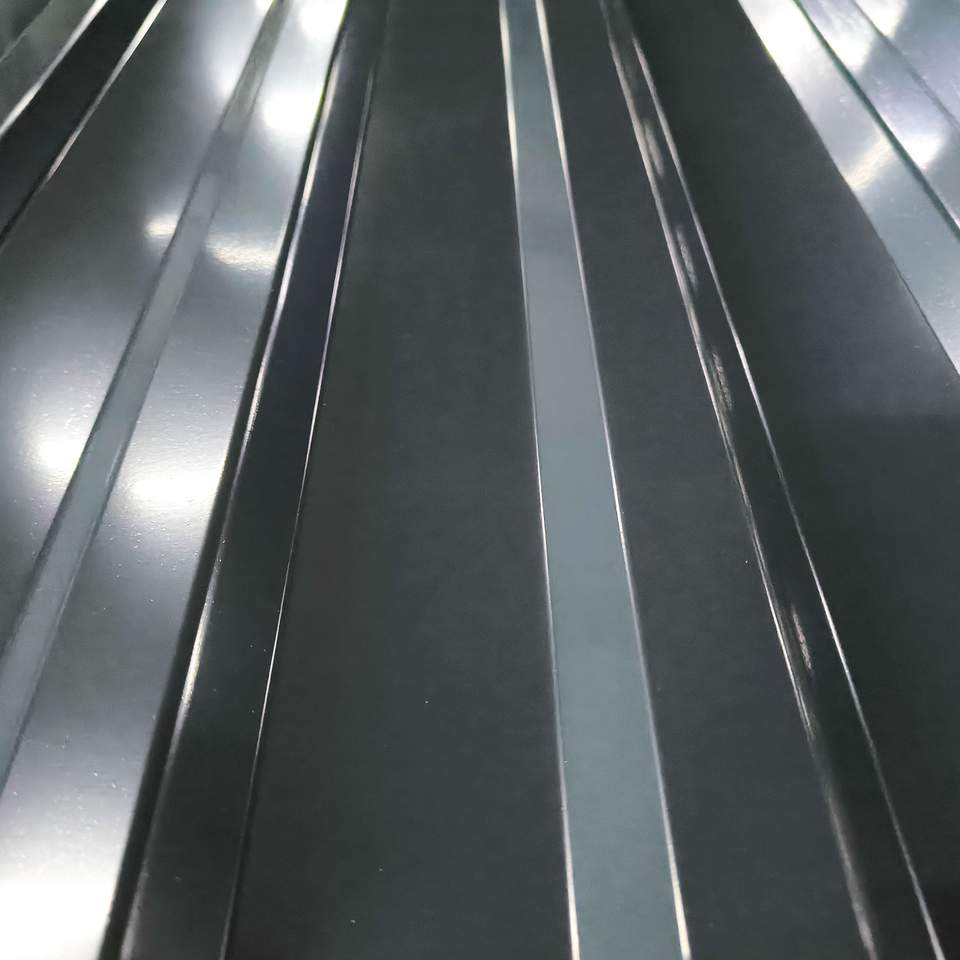
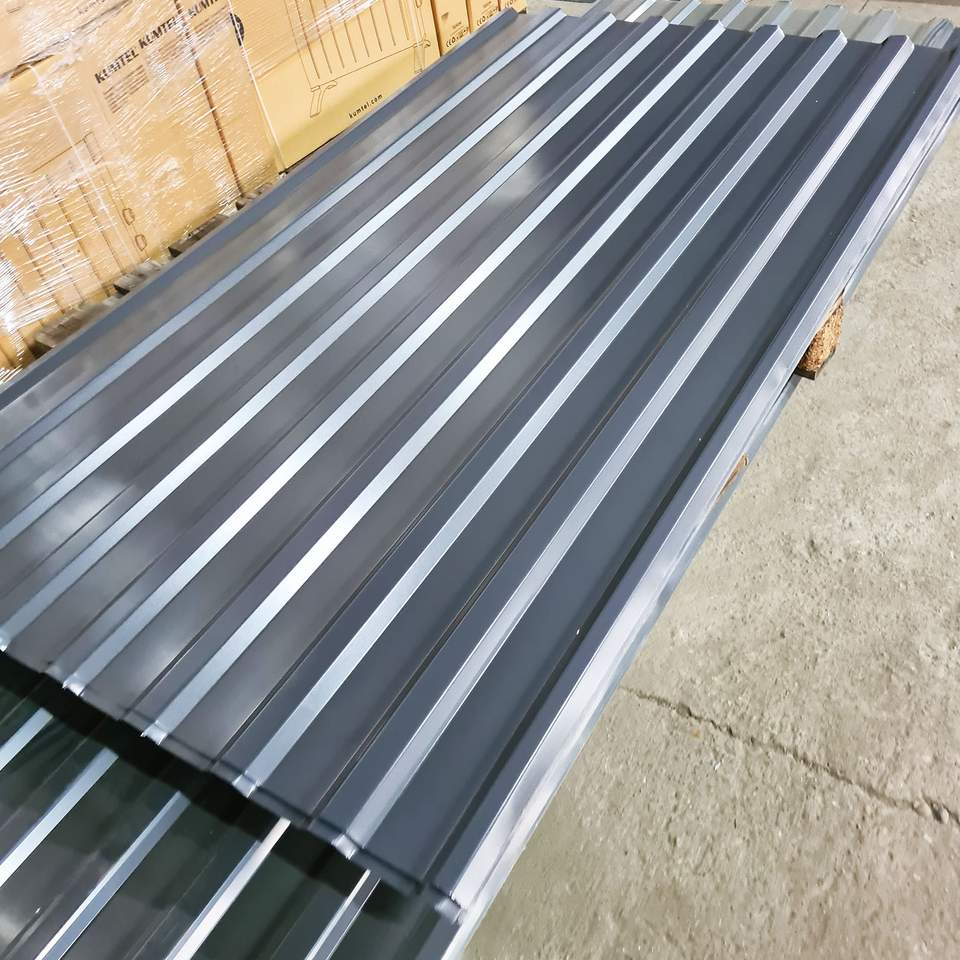
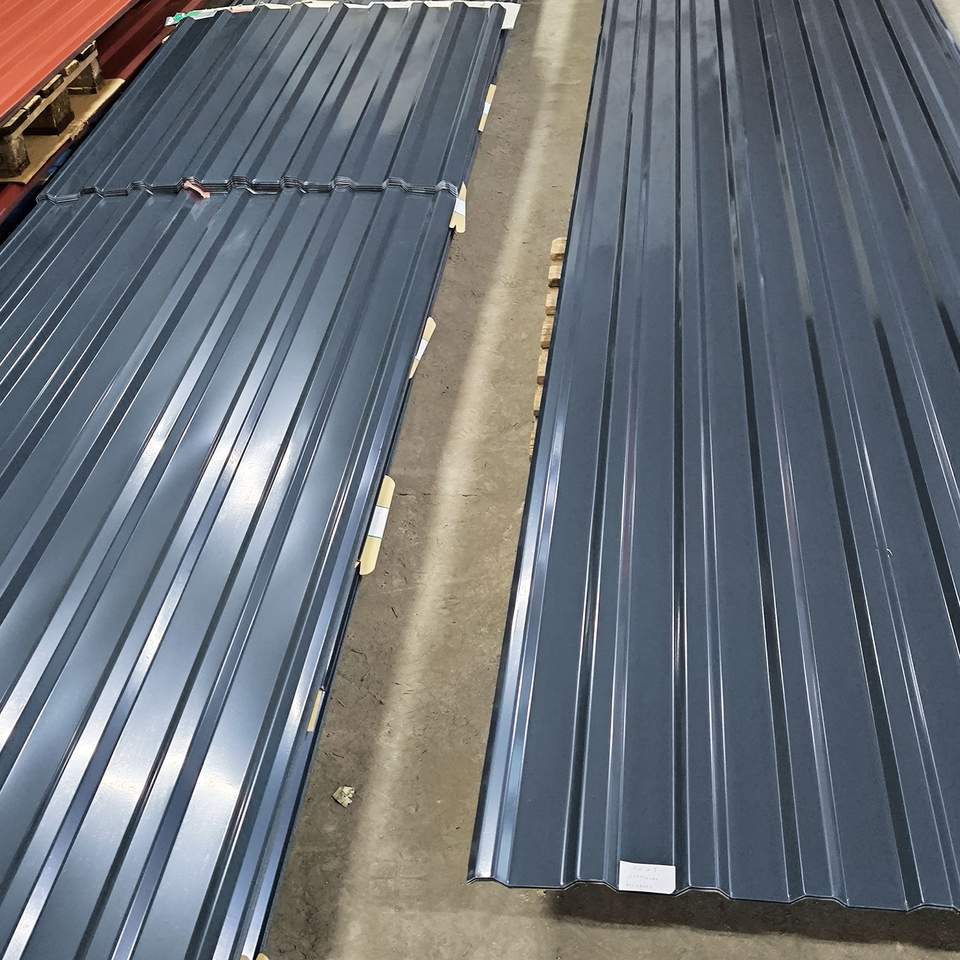
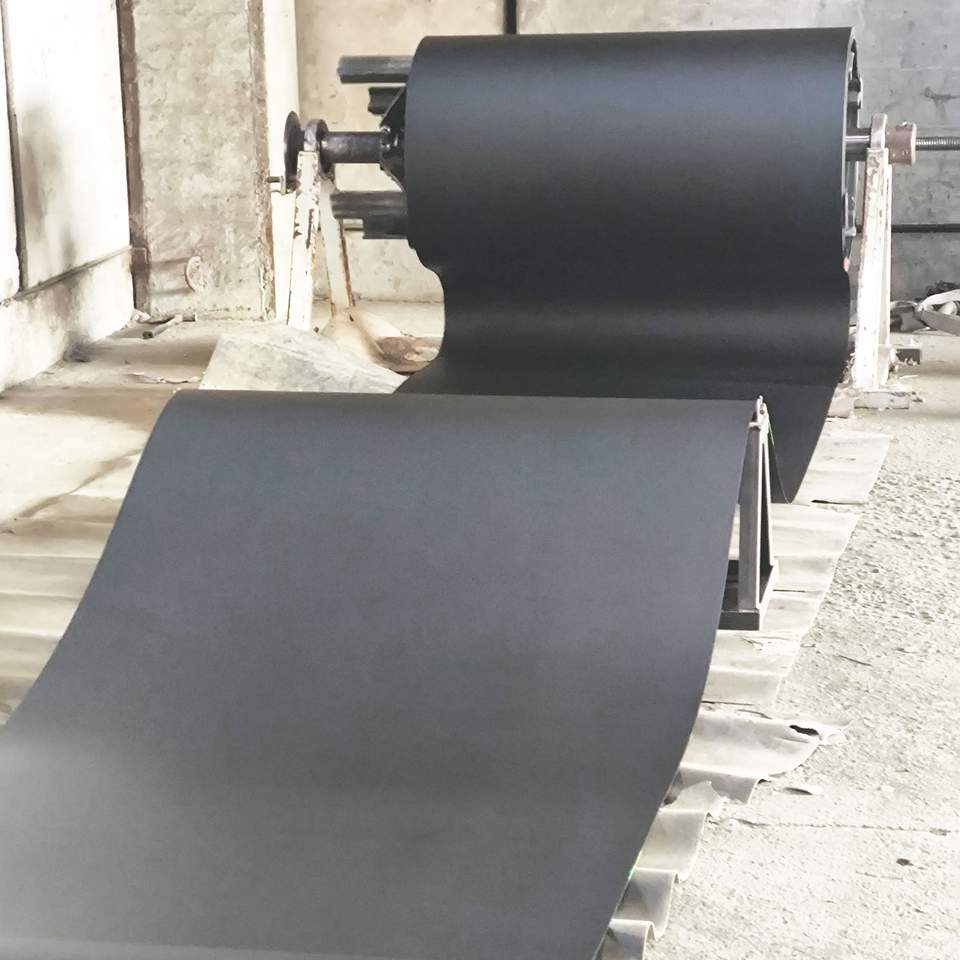
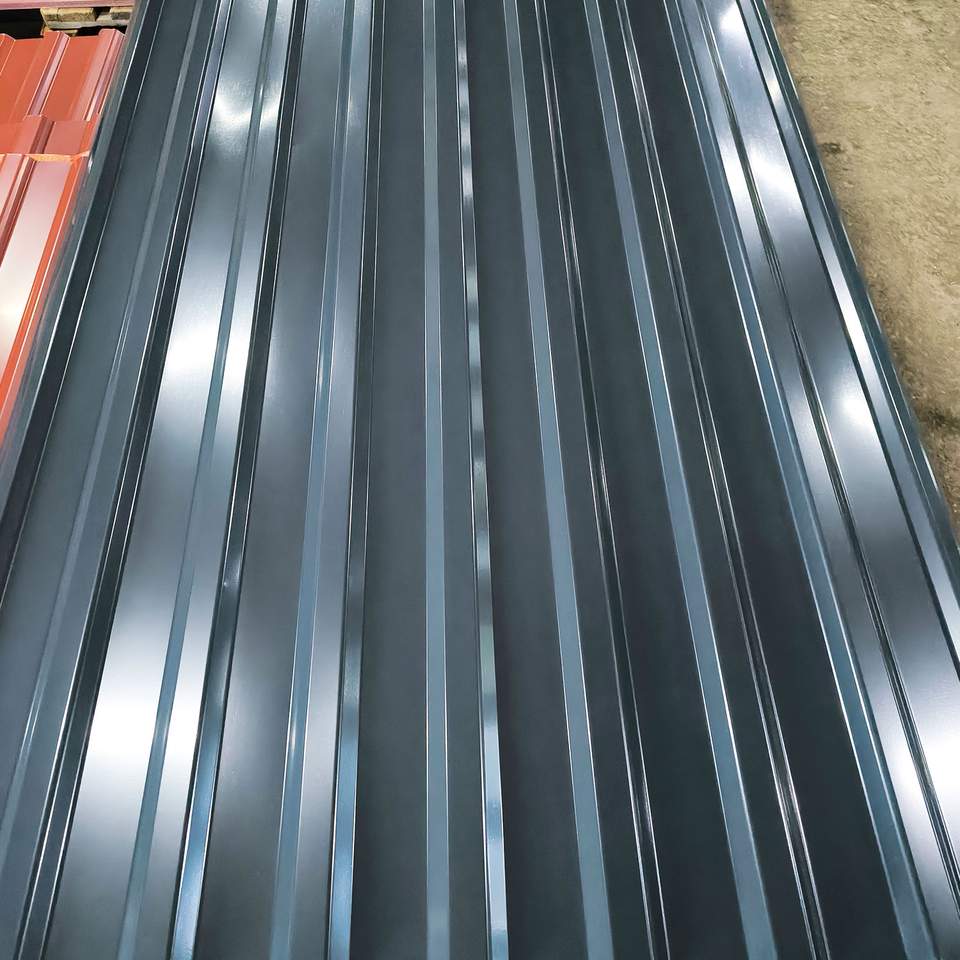
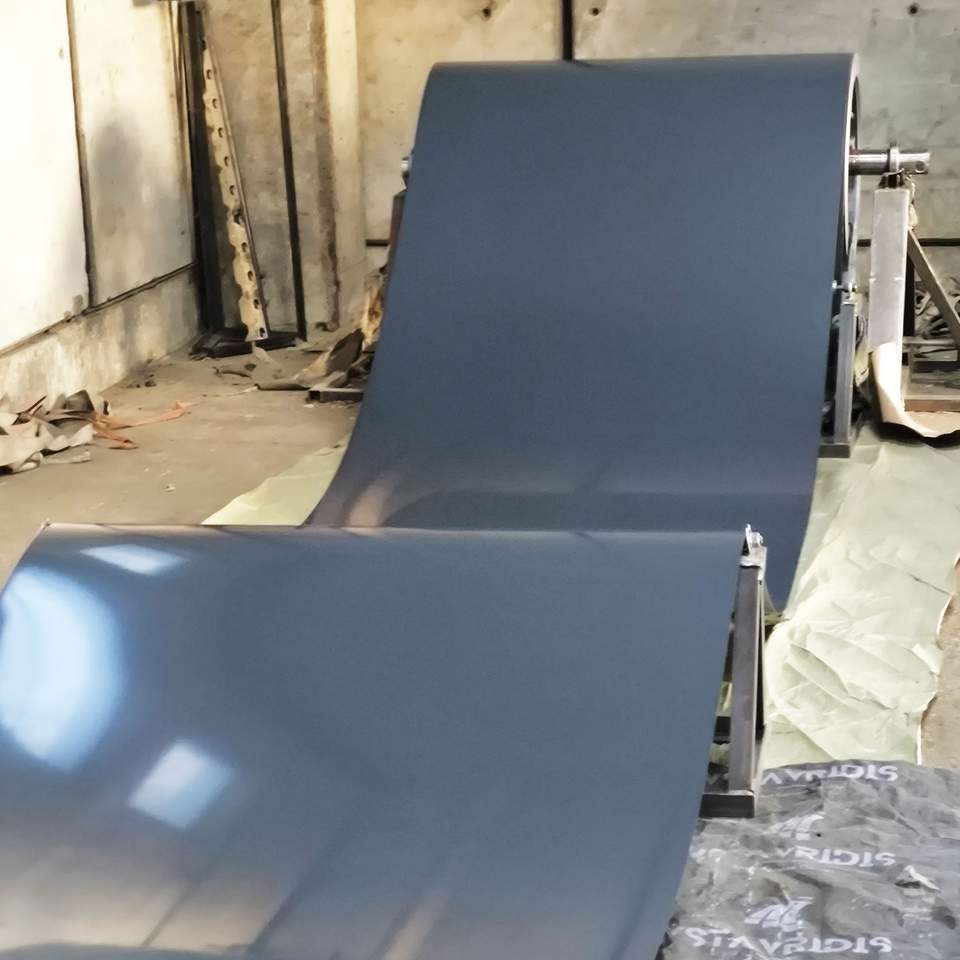
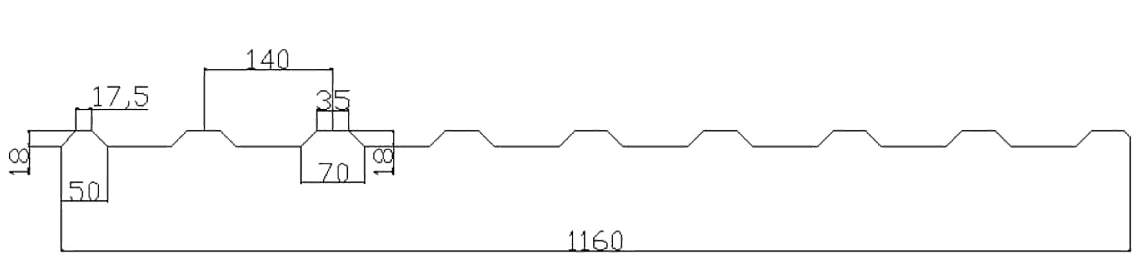
T18 Anthracite corrugated sheet RAL 7016 – 0.5mm, galvanised on both sides, painted on one side
Configure your order
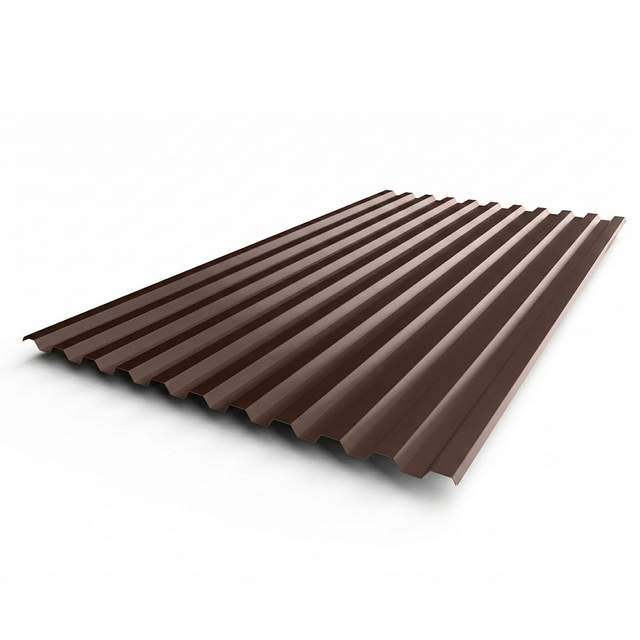
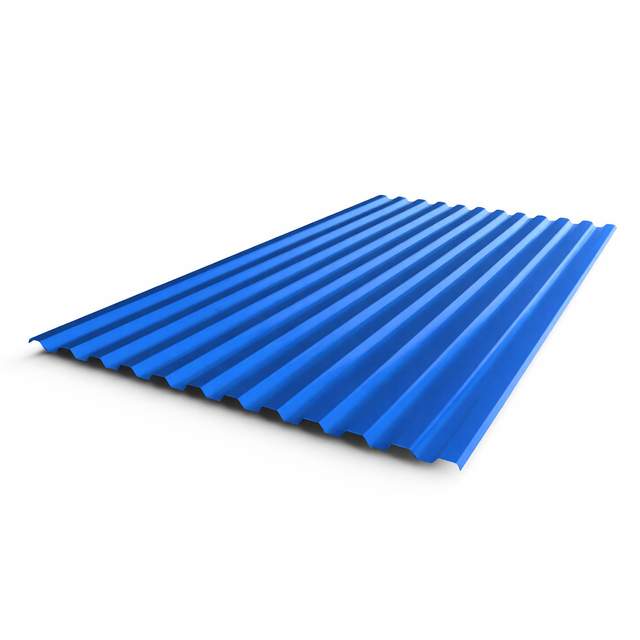
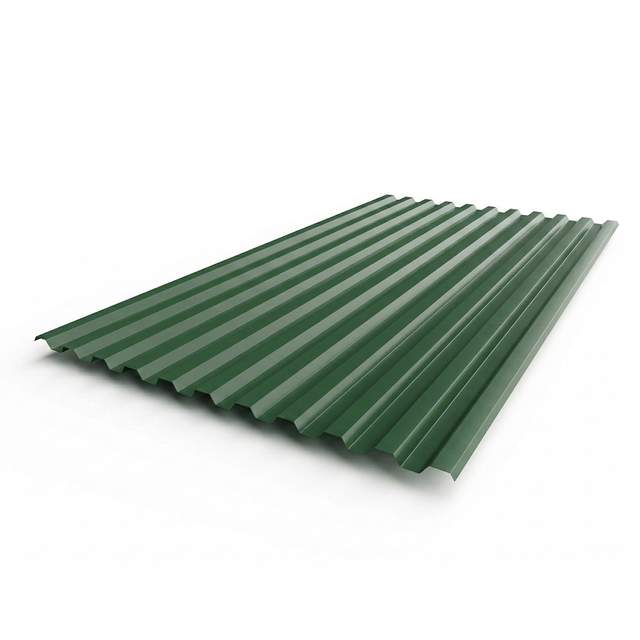
Also available in other colours
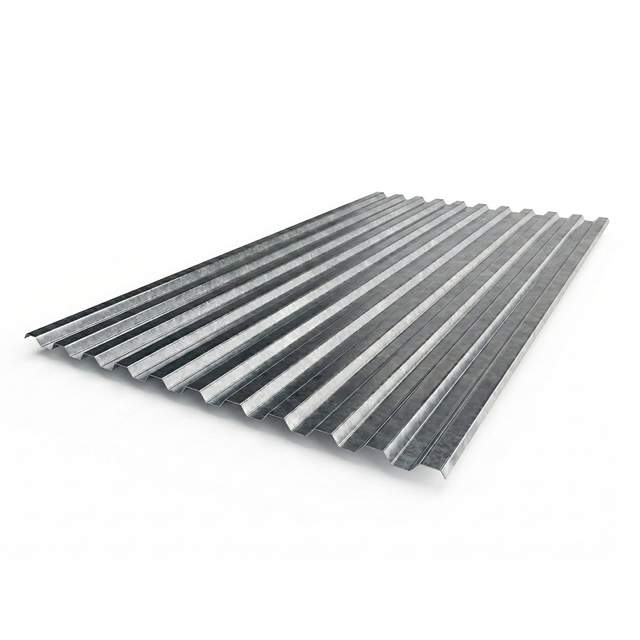
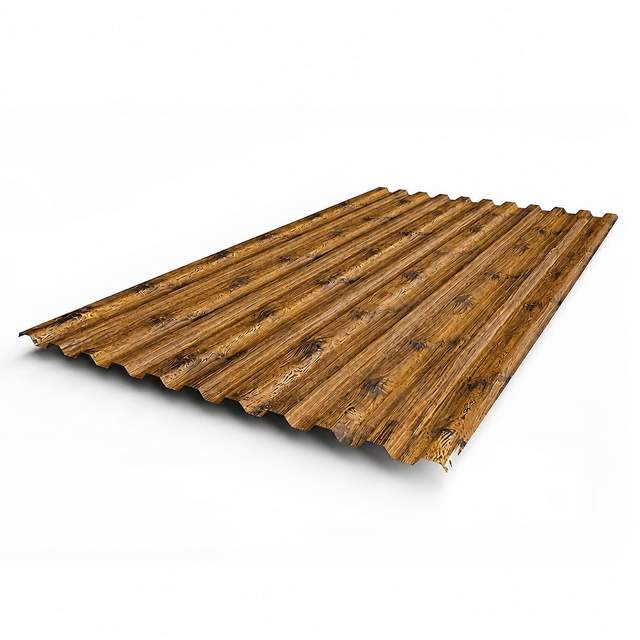
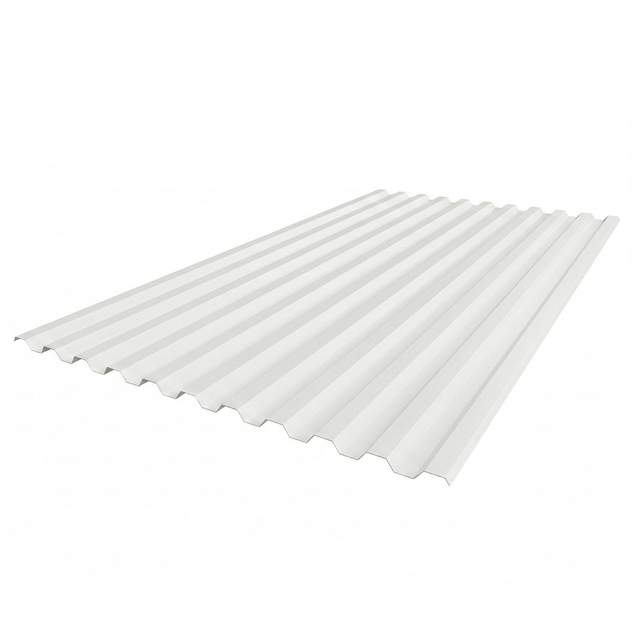
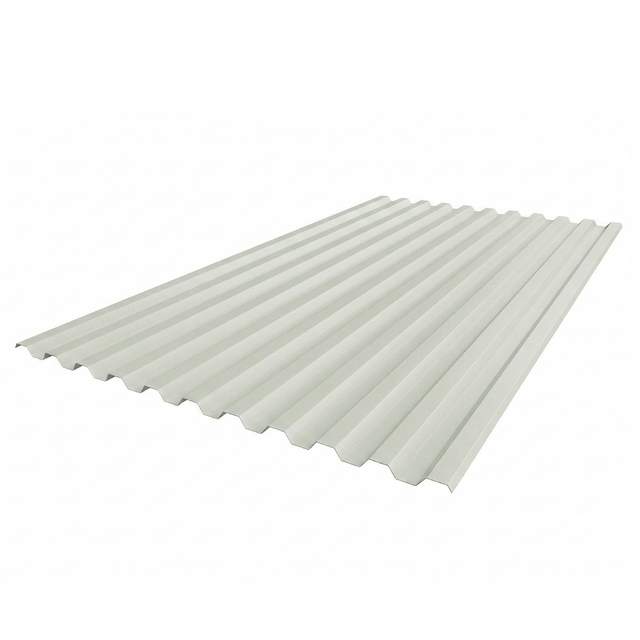
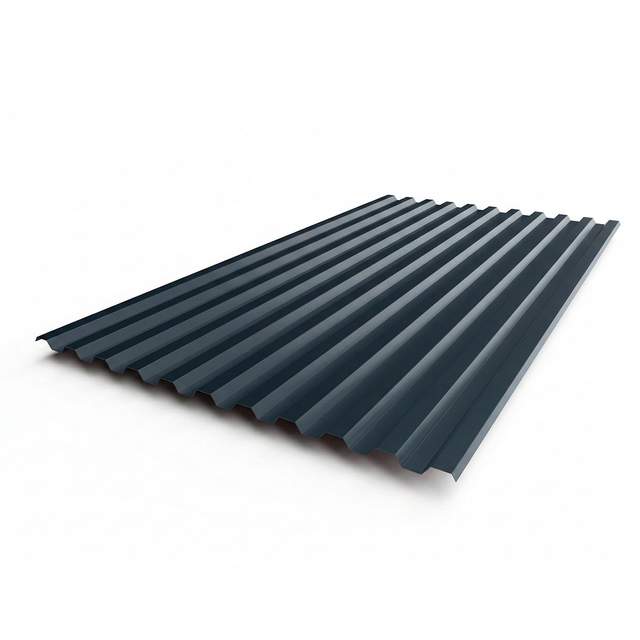
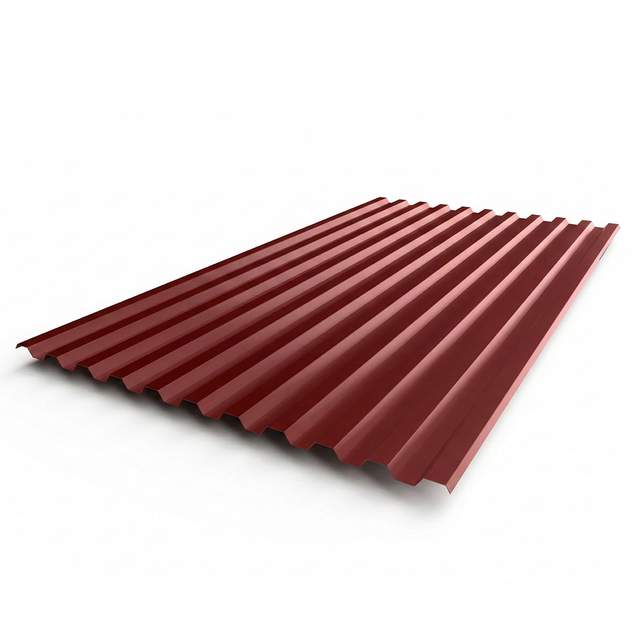
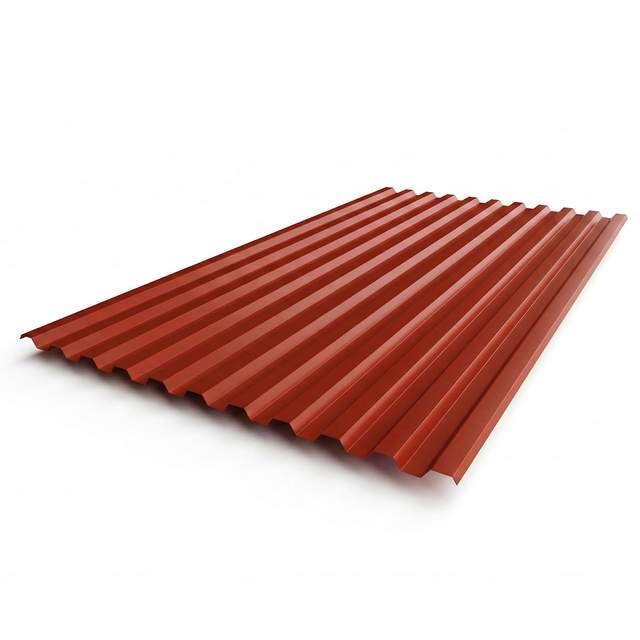
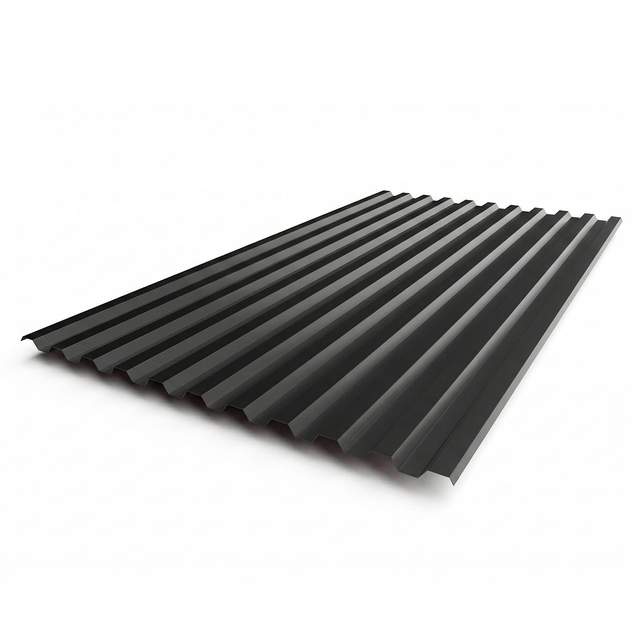
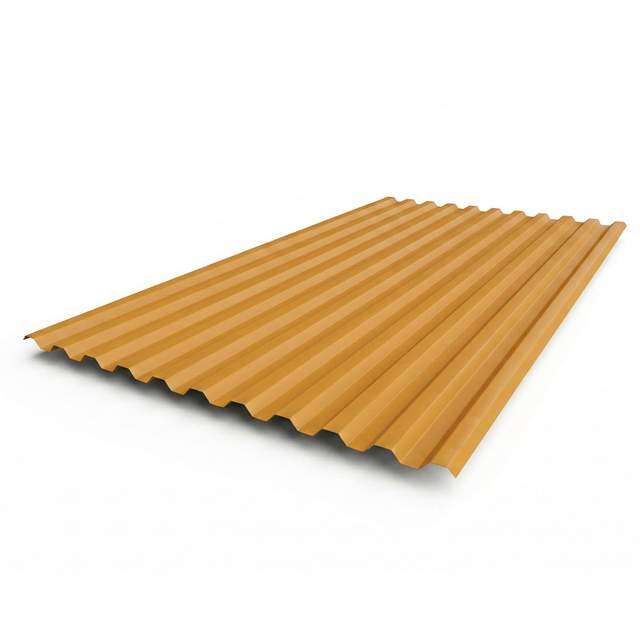
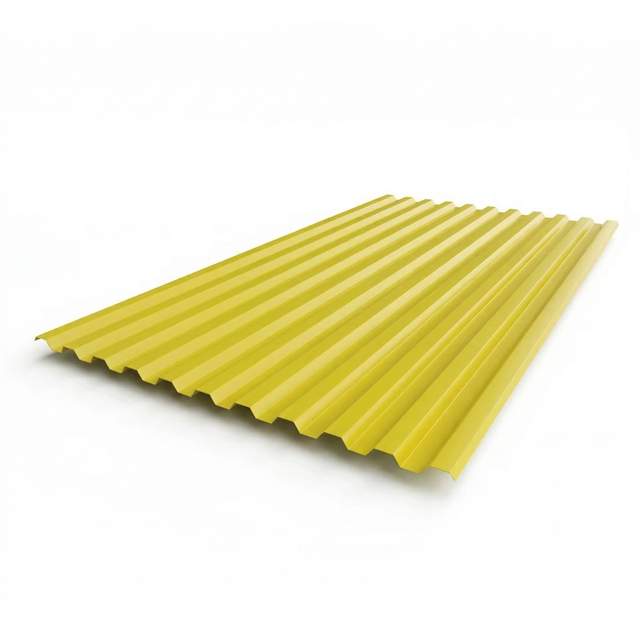
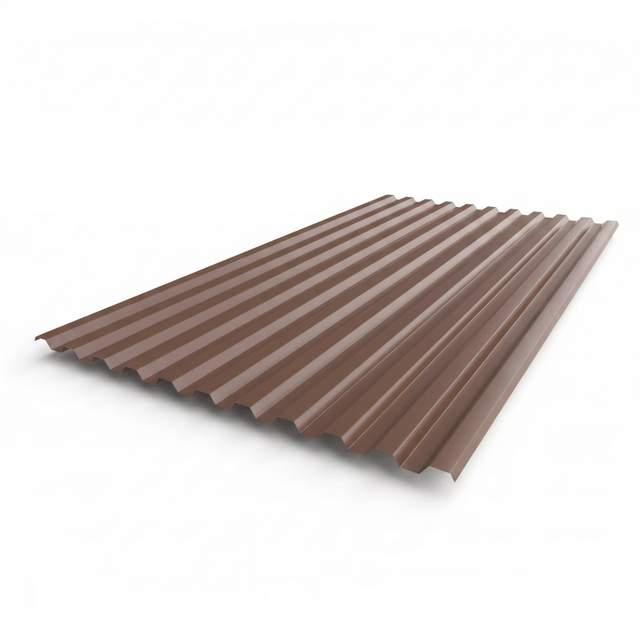
Anthracite is by far the most popular colour today - and for good reason
Over 60% of our customers choose anthracite. Walk down any newly-built street: anthracite roofs, anthracite windows, anthracite fences - it has become the default. And not just because it is fashionable. Anthracite simply looks good: elegant without being ostentatious, modern without going to extremes, dark without feeling oppressive.
Think of it as the golden middle between dark grey and black. Not as dramatic as pure black, but far more decisive than any lighter shade. If you want to play it safe - this is the colour.
Anthracite is right for you if:
- You are building a modern home and want a consistent, contemporary look
- You have anthracite windows - and chances are you do, as it is the most common window colour today
- You are building a garage, workshop or shop where a professional appearance matters
- You want a colour you will not regret ten years from now
Why has it become so popular?
It spread this quickly for a reason. Once window manufacturers introduced anthracite-coloured profiles, the whole colour scheme of houses shifted. Putting an anthracite roof next to anthracite windows is simply logical - and corrugated sheet is the most straightforward way to do it.
The other reason is the renovation wave. Most insulated houses have received white or light grey render - and against a white wall, an anthracite roof is exactly the contrast that lifts the whole building.
Finally: anthracite ages gracefully. It does not fade noticeably and will not become a "period colour". Twenty years from now it will still look as good as it does today.
What is worth knowing about anthracite
Does it heat up in the sun?
Yes, like every dark colour. On a hot summer day the surface of the sheet can reach 65-75 °C. This is not a problem if there is an attic underneath - it already separates the roof from the living space. If the sheet is directly above the living space (loft conversion, flat roof), pay attention to thicker insulation and good ventilation.
How well does it hold its colour?
Here is anthracite's big strength: of all the dark colours, it holds its colour best against UV radiation. While a red or blue sheet may visibly fade over 15 years, anthracite changes almost imperceptibly.
So it is not just a good-looking colour but also one of the most technically stable options in the range.
Against rust
Corrosion protection does not depend on the colour but on the zinc layer and the type of coating. In this respect the anthracite sheet has exactly the same protection as any other coloured version.
What does anthracite go with?
Anthracite + white: the great classic
Anthracite roof, white façade - the most popular combination of recent years. Strong contrast, yet elegant. If you do not want to think too hard, you cannot go wrong with this.
Anthracite + anthracite: the full dark look
Modern, decisive style - looks especially good on workshops and garage buildings. In this case it is worth slipping in a white flashing or a wooden element so it does not become monotonous.
Anthracite + wood-grain: a natural effect
Anthracite sheet is an excellent backdrop for wood-grain corrugated sheet. If you clad the gable or part of the façade with wood-grain sheet, the anthracite frame nicely highlights the warmth of the wood effect.
Anthracite + tile red: a surprisingly good pairing
Many would not think so, but anthracite and tile red complement each other beautifully. Modern and respectful of tradition at the same time - especially good in a village setting.
Every accessory is available
Anthracite is the base colour for the window industry - every manufacturer offers it. Gutter, flashing, bargeboard, roofing screw: all are available in exactly this colour. A fully matched appearance is easy to achieve.
Is it allowed everywhere?
In most towns, yes, without any issue. However, in certain listed or landscape-protected areas - the Balaton Uplands, wine regions, historic town centres - the local building code may not permit a dark roof colour. For façade cladding, it is typically allowed everywhere.
What to watch for during installation
Thermal expansion
Because the sheet heats up in the sun, it expands slightly in summer. On longer panels the fitter has to pay attention to this: oval fixing holes, screws not overtightened. For a professional, this is basic routine.
Scratches and dirt
Good news: small scratches and dust are virtually invisible on an anthracite surface. Bird droppings and limescale marks are more noticeable - but normally rain washes them away.
How does the anthracite sheet age?
Anthracite is one of the best-ageing colours in the entire range.
Virtually unchanged. It looks the same as the day it was installed.
The surface may matt slightly - but on anthracite this gives an elegant rather than worn effect.
Minimal change, but the character of the colour remains. Anthracite does not lighten dramatically and does not turn grey.
If a repair is ever needed, anthracite touch-up paint is available in every specialist shop - and this is one of the easiest colours to blend, because its shade stays stable over the years.
Frequently asked questions
Is the Anthracite T18 sheet painted on both sides?
No. Our painted T18 sheets are galvanised on both sides and painted on one side: the zinc coating protects both faces, and the colour coat is on the visible face. On a fence, turn the painted side towards the main view.
How much does Anthracite (RAL 7016) corrugated sheet cost?
Our Anthracite T18 0.5mm corrugated sheet costs 2,640 Ft/m². The price is gross and includes VAT. Free shipping above 250 m².
What thickness is the Anthracite corrugated sheet available in?
Our Anthracite corrugated sheet is made from 0.5mm quality steel. That is thicker than the 0.4mm commonly sold on the market. 0.6mm is periodically available too.
How long does production of the Anthracite corrugated sheet take?
From stock material we produce within 48 hours, cut to size. The Anthracite colour is continuously in stock.
What warranty do you give on the Anthracite corrugated sheet?
We offer a 20-year warranty on every sheet we make, including the Anthracite colour. This is almost unique in the industry.

Questions about T18 Anthracite corrugated sheet?
Roland Farkas, managing director