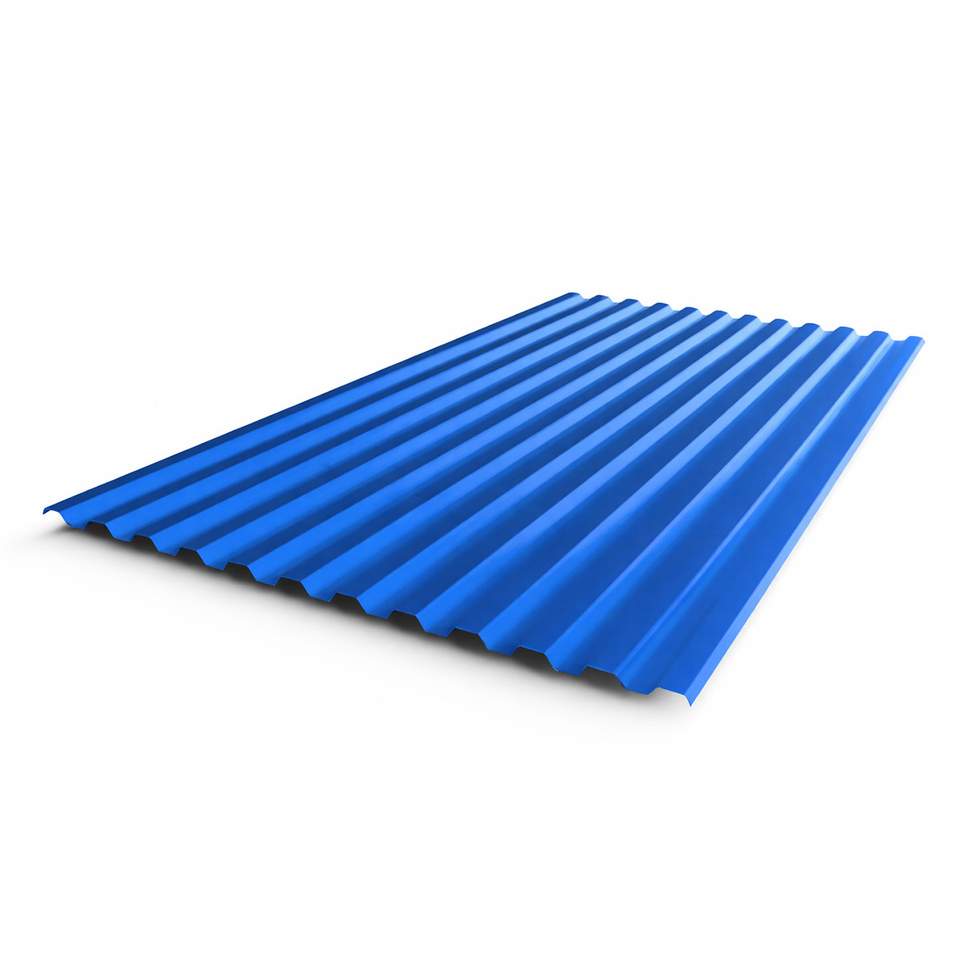
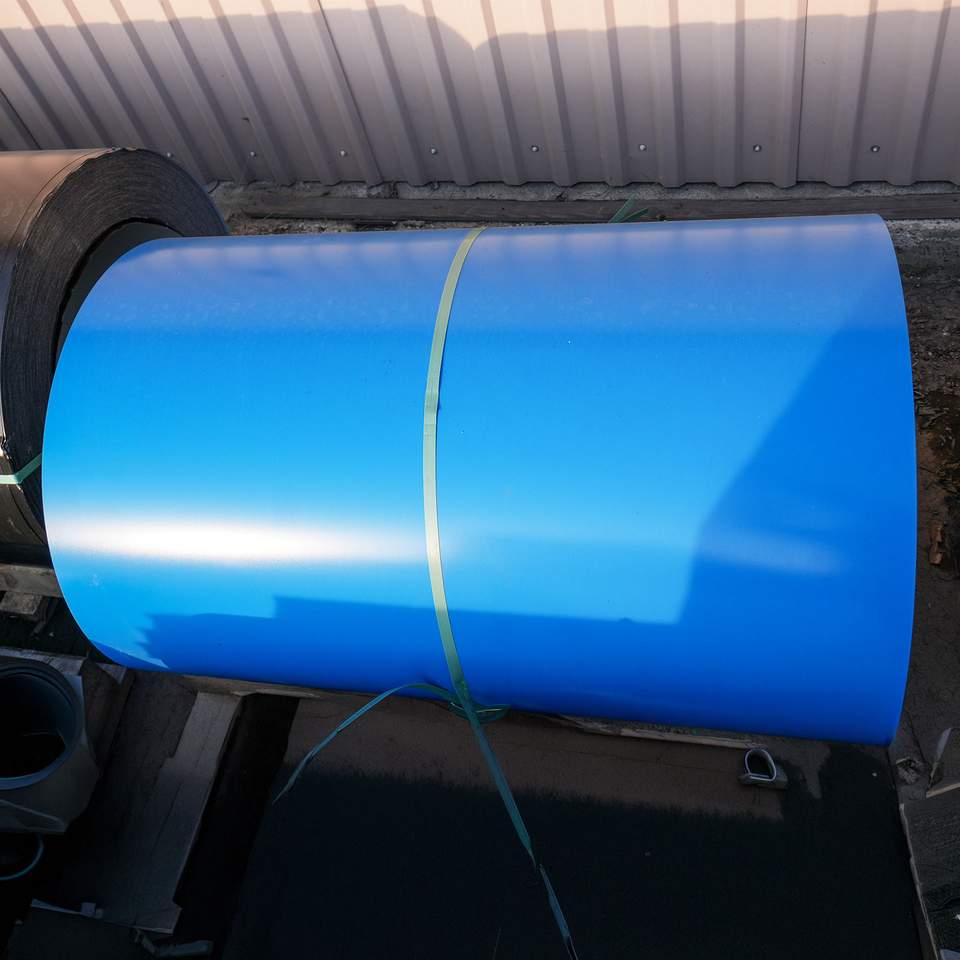
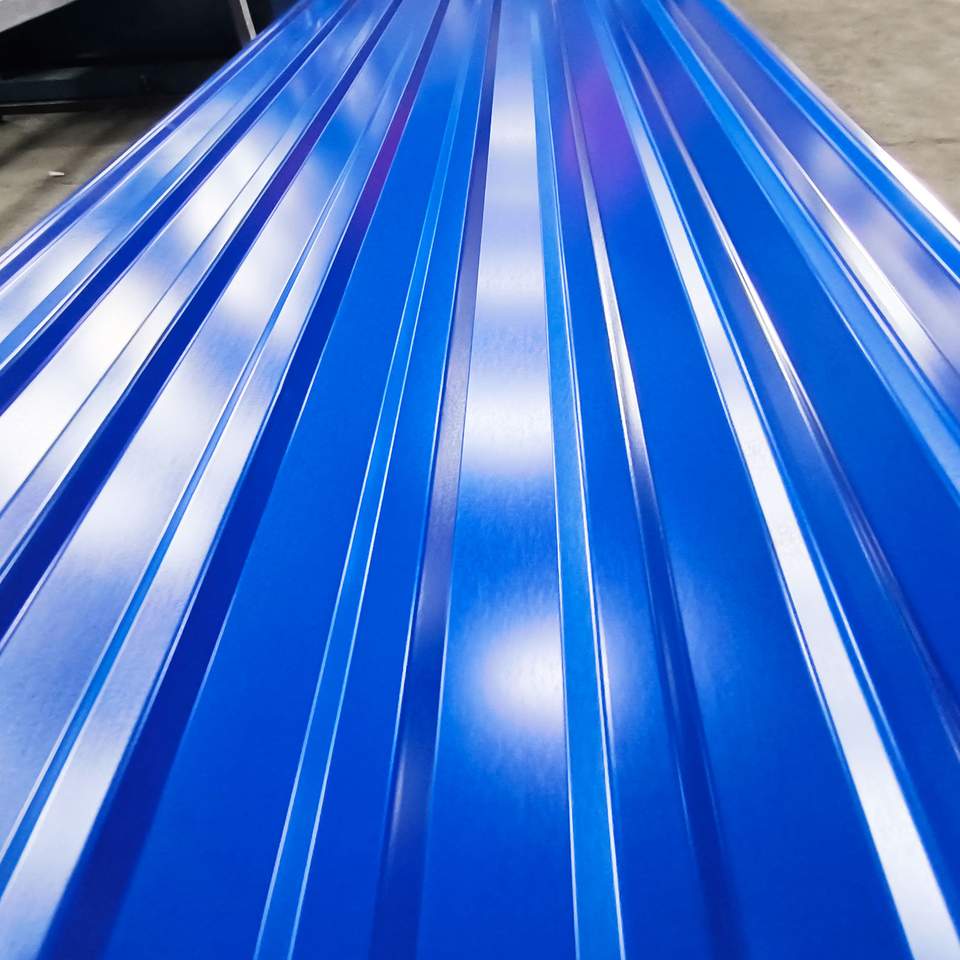
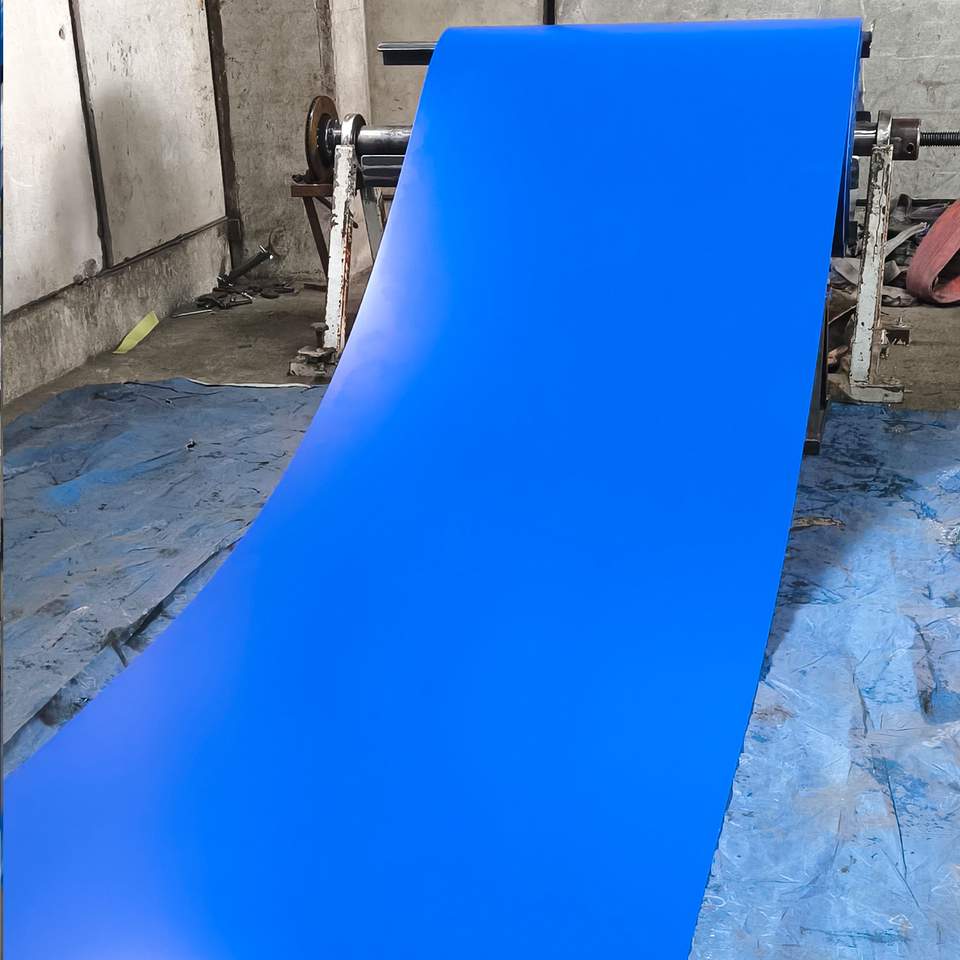
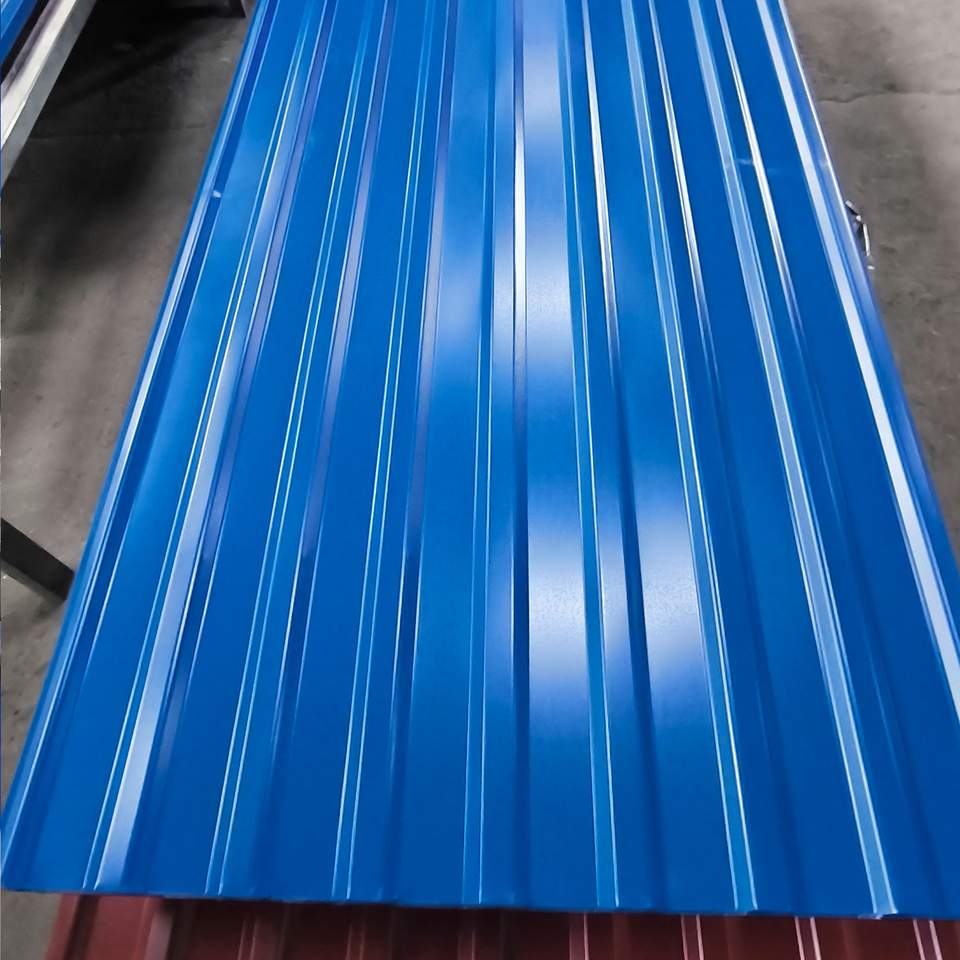
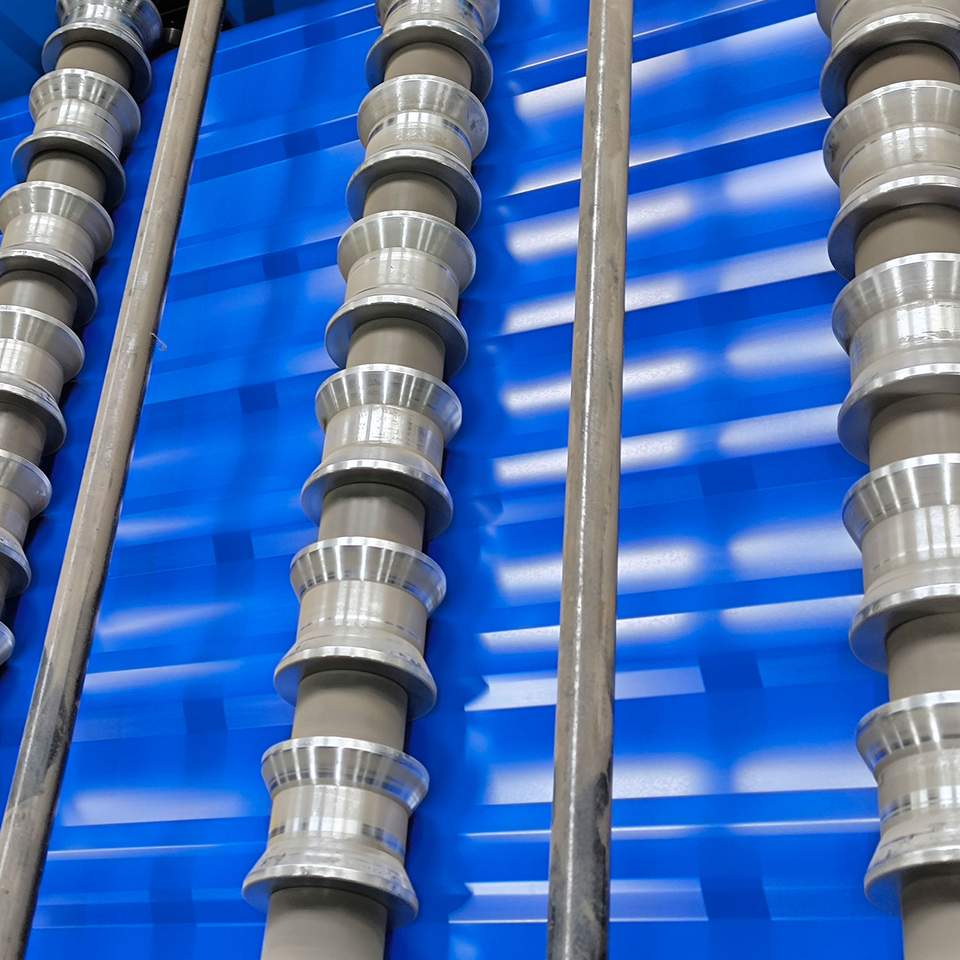
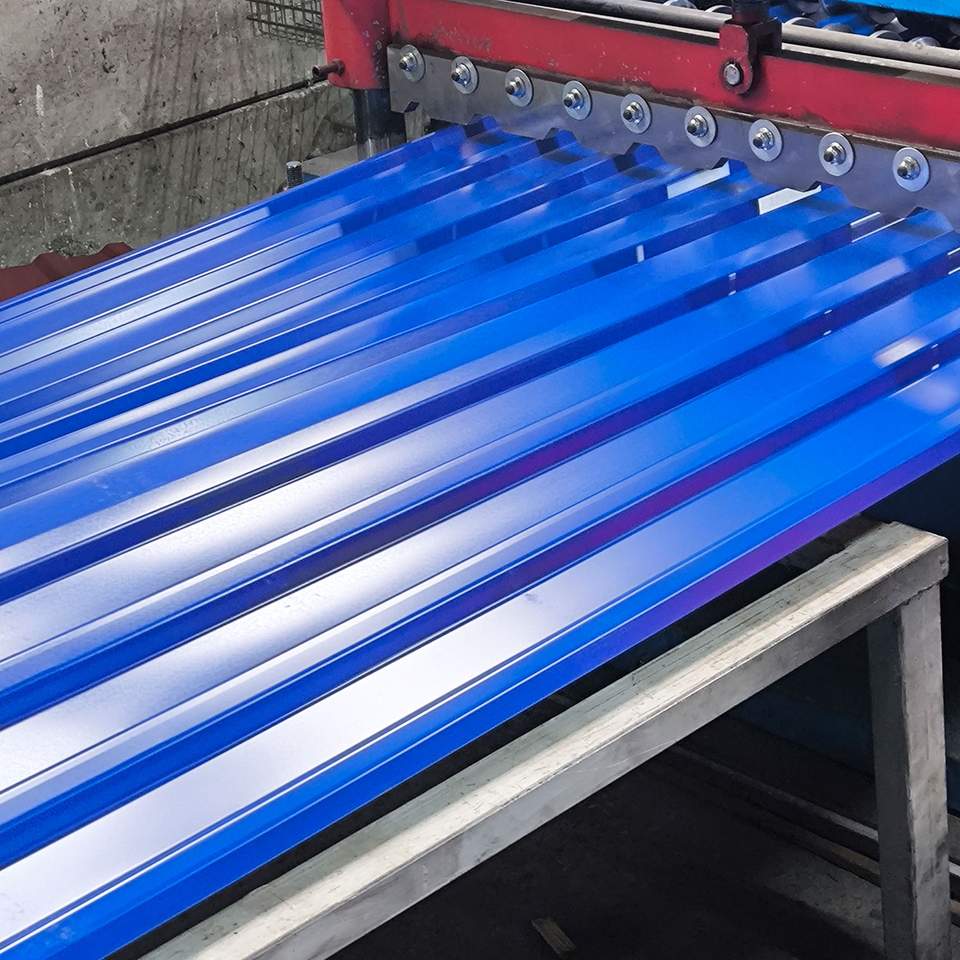
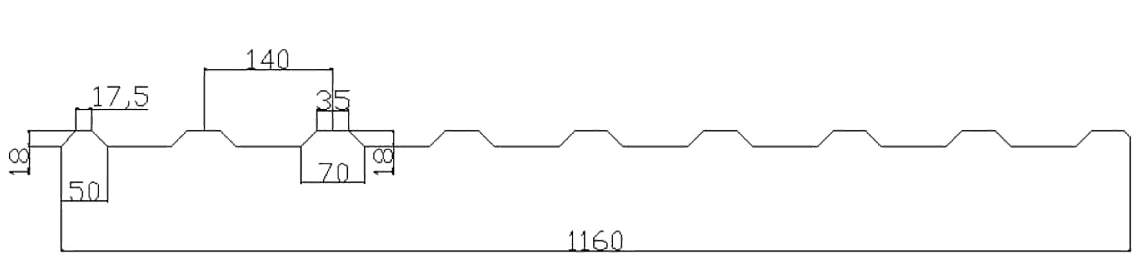
T18 Blue corrugated sheet RAL 5010 – 0.5mm, galvanised on both sides, painted on one side
Configure your order
Also available in other colours
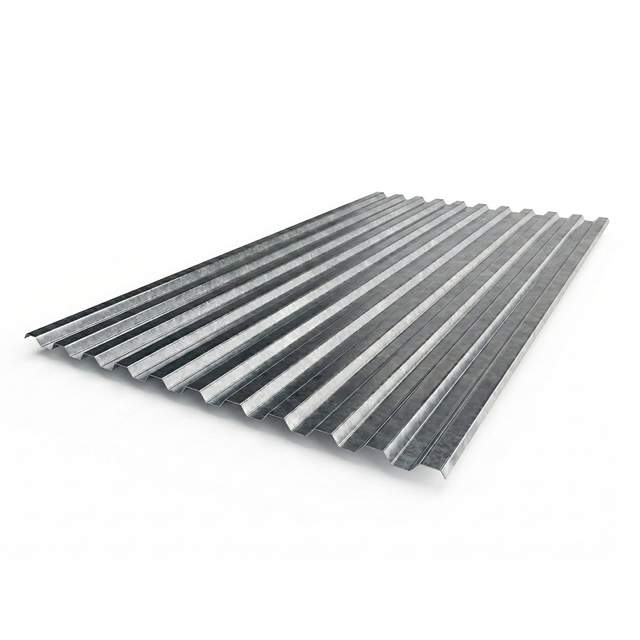
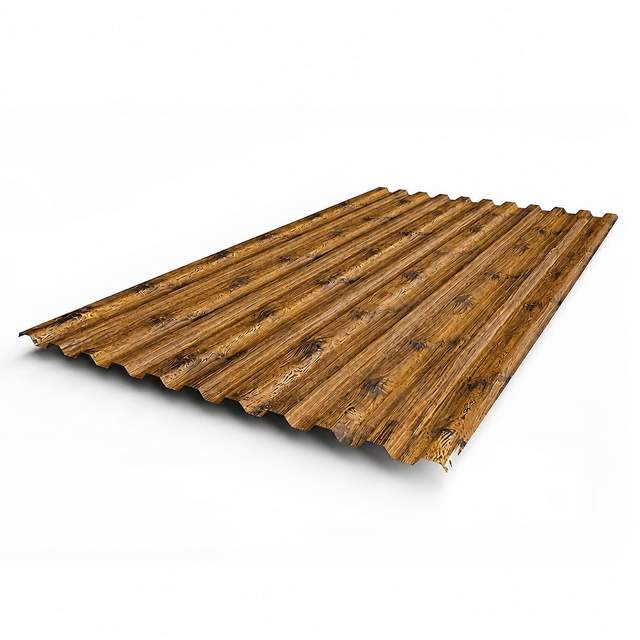
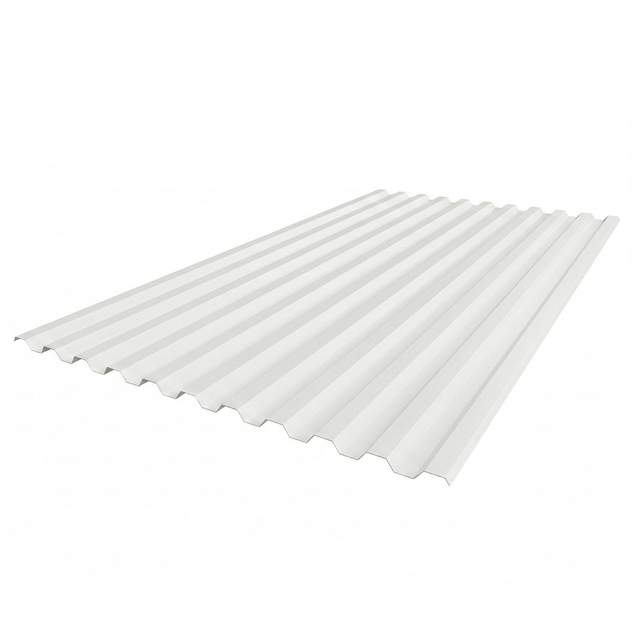
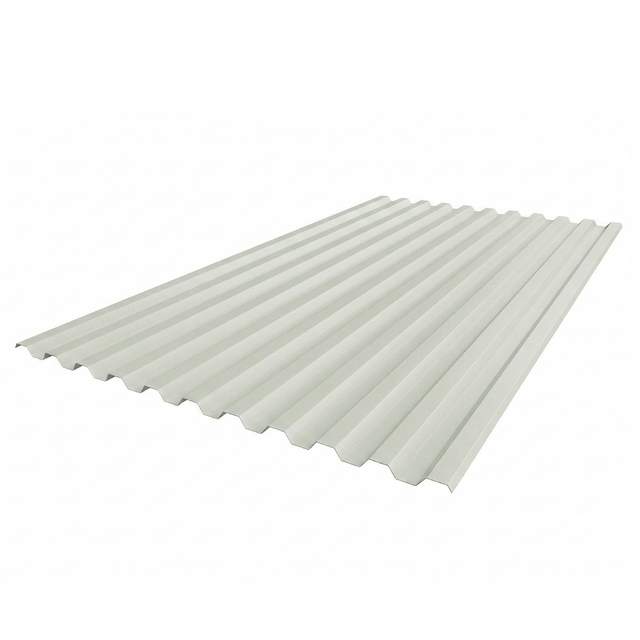
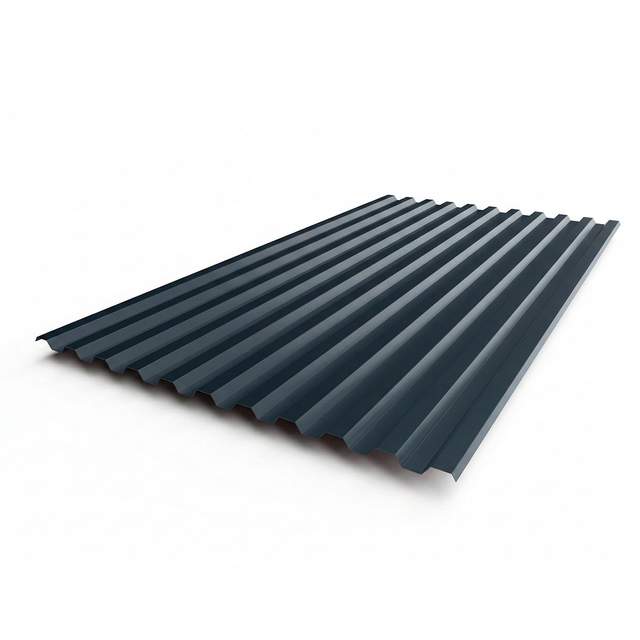
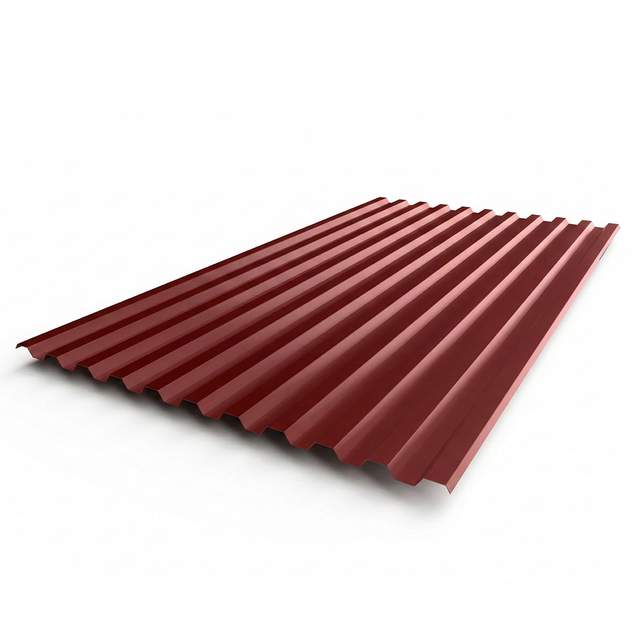
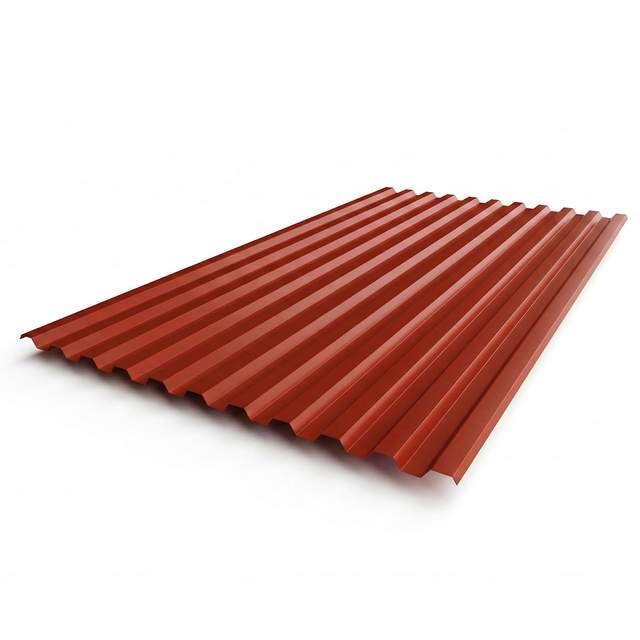
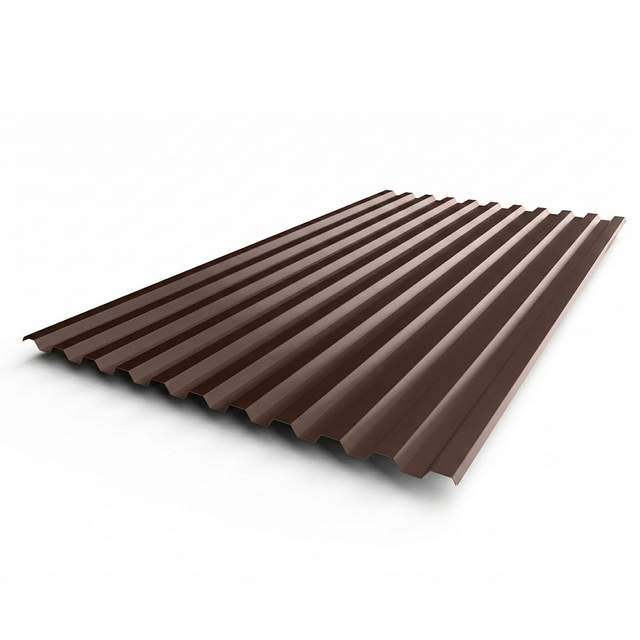
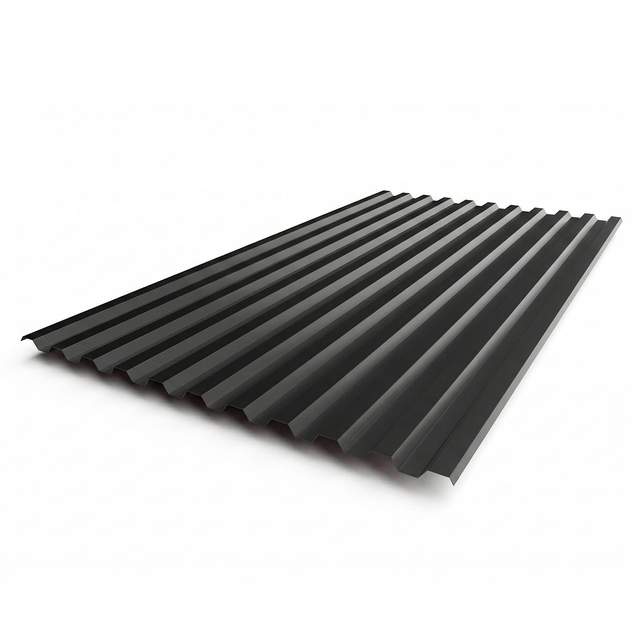
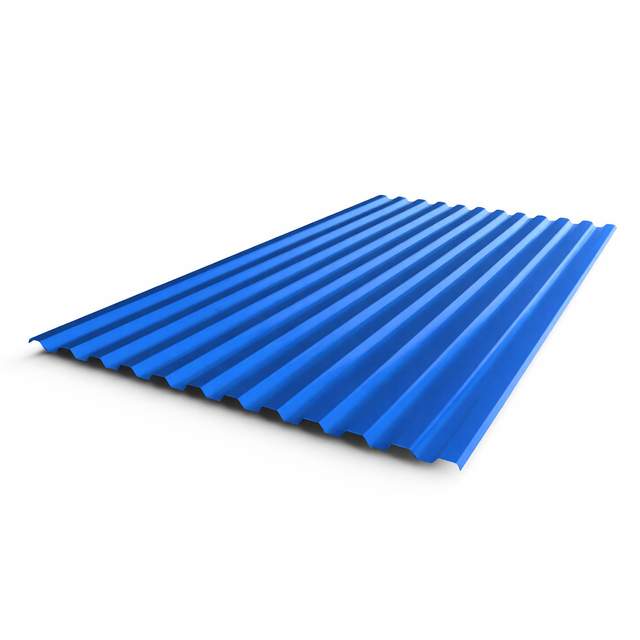
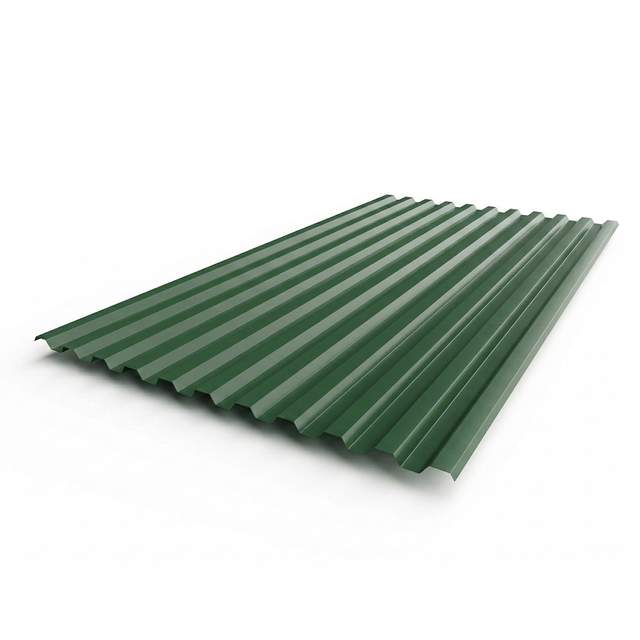
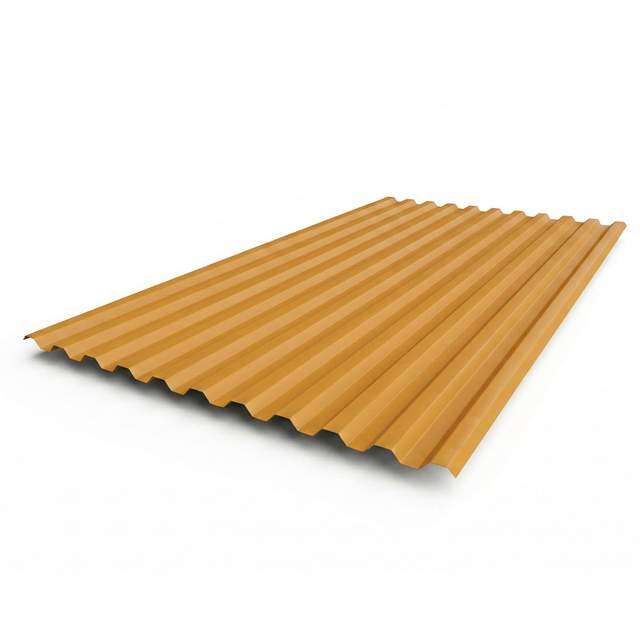
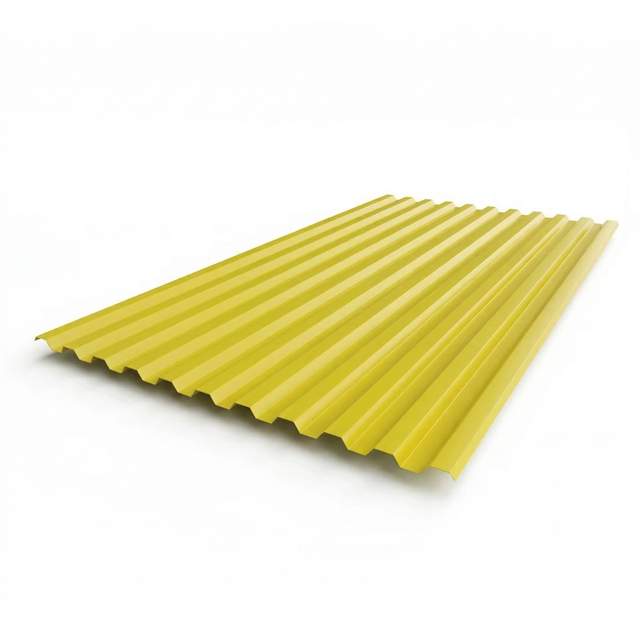
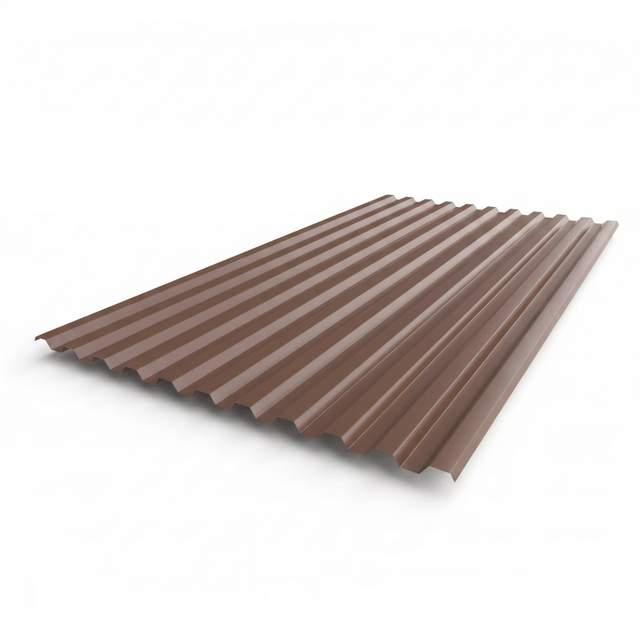
The blue corrugated sheet - when you step out of the grey average
RAL 5010 is a decisive, deep blue - not a pale sky blue, not a dark navy, but exactly the middle ground: confident, clean blue. If you close your eyes and picture a handsome blue building, chances are this is the colour you see.
People who choose a blue roof or façade decide consciously: they want to stand out from the sea of tile reds and greys - but they do not want something shrill. Blue gives exactly that. Serious, yet distinctive. Whoever sees it remembers the house - not because it is over the top, but because it has real personality.
Who do we recommend it to?
- For a workshop, garage or warehouse - where blue defines the character of the building rather than being "just a colour" on it
- For a sports ground, school or community building - blue gives a calming yet decisive impression
- For a home you want to be distinctive but not divisively flashy - yours will be the most memorable house in the area, while still tasteful
- For waterside holiday homes, buildings on Lake Balaton or other lakeshores - blue is an outright natural choice there
Where is blue corrugated sheet used across Europe?
In Germany and Poland, blue is one of the most popular colours for industrial buildings. If you have ever been to a German industrial estate, you will have seen it - it counts almost as a default colour.
In Scandinavia, by contrast, blue is used confidently on homes too. On Swedish and Finnish houses, dark blue is a traditional colour inspired by the natural environment - not by industry.
In Hungary, blue corrugated sheet is for now most common on industrial and sports buildings. It is still rare on homes - but those who go for it are surprised at how well it is received. More and more people dare to choose it.
What is worth knowing about blue in practice
Moderately sensitive to heat build-up
A blue sheet heats up moderately in summer - roughly as much as red or green. Much less than black or anthracite, but more than white. For general use it is perfectly fine, and for roof insulation it behaves just like the other mid-range colours.
Fading - something to watch
We will be honest: blue is one of the colours most sensitive to sunlight over the long term. In the first 8-10 years this is not visible, but after that - particularly on the sunny side - it can gradually shift towards a paler, greyer tone. This does not make it a bad colour - but it is worth knowing.
Which colours can you pair blue with?
Blue + white: clean, fresh look
The classic pairing. A blue roof with a white wall gives a seaside, Scandinavian feel. Around Lake Balaton or on waterside holiday homes it looks especially natural. You simply cannot get this combination wrong.
Blue + light grey: a refined, professional look
For a workshop, garage or commercial building, a blue roof with light-grey sides is one of the most professional-looking combinations. Not flashy, but clearly more refined than plain grey.
Blue + natural timber: a holiday mood
Next to a timber terrace, timber façade or timber entrance, a blue roof gives a laid-back, holiday feel. At waterside holiday homes and guesthouses, this is the combination that most endears itself to guests.
Blue + orange accents: a bolder, youthful style
For a sports ground, youth building or creative workshop, you will not find anything more energetic than a blue-and-orange pairing. These two colours reinforce each other so well that the result is guaranteed to stand out - in the good sense.
On the building permit, briefly
One important thing about blue roofs: the local building code (HÉSZ) in many places does not allow unusual roof colours. Where a "traditional" or "fitting" colour is prescribed, blue is generally not accepted - tile red, brown and grey are the ones counted as appropriate.
In industrial and commercial zones and outside built-up areas, colour is handled far more permissively. There, blue generally does not cause a problem.
Installation notes for the blue sheet
Thermal expansion - average
The blue sheet heats up moderately, so expansion is moderate too. Below 6-metre panels, standard fixing is perfectly fine. For longer panels we recommend oval fixing holes.
Cleaning
Dust does not show up much, but pale marks - lime streaks, bird droppings - can be noticeable on the dark base. One or two washes a year is plenty to keep it looking smart.
Clean up after installation
Metal swarf from cutting and drilling can leave a grey mark on the dark-blue surface. After installation it is worth wiping over with a soft brush or cloth - this keeps the end result clean.
Accessories
Blue flashing and barge lengths are available, but stock is smaller than for the more popular colours. Most people choose white or anthracite gutters to go with blue. Blue roofing screws can be ordered.
How does the blue corrugated sheet age?
Blue changes over the years - this is a natural process, worth knowing in advance so it does not come as a surprise.
The original deep-blue colour stays practically unchanged. Intense, crisp, attractive. During this period there is nothing you need to do about the colour.
On sun-exposed sides the blue shifts slightly towards a paler shade. The building still clearly reads as the "blue house", but some of the original depth is lost. Most people only notice if they compare against the original sample.
Fading becomes visible to the naked eye. Different sides of the building can end up in slightly different shades depending on sun exposure. If you need to replace a panel, there will be a colour difference between old and new - so it is worth preparing for this.
Practical tip: order a few spare panels and store them outdoors in similar sunlight to the ones on the roof. If you need to replace one years later, the new panel's colour will be close to the old - it will not stand out.
Frequently asked questions
Is the Blue T18 sheet painted on both sides?
No. Our painted T18 sheets are galvanised on both sides and painted on one side: the zinc coating protects both faces, and the colour coat is on the visible face. On a fence, turn the painted side towards the main view.
How much does Blue (RAL 5010) corrugated sheet cost?
Our Blue T18 0.5mm corrugated sheet costs 2,640 Ft/m². The price is gross and includes VAT. Free shipping above 250 m².
What thickness is the Blue corrugated sheet available in?
Our Blue corrugated sheet is made from 0.5mm quality steel. That is thicker than the 0.4mm commonly sold on the market. 0.6mm is periodically available too.
How long does production of the Blue corrugated sheet take?
From stock material we produce within 48 hours, cut to size. The Blue colour is continuously in stock.
What warranty do you give on the Blue corrugated sheet?
We offer a 20-year warranty on every sheet we make, including the Blue colour. This is almost unique in the industry.

Questions about T18 Blue corrugated sheet?
Roland Farkas, managing director