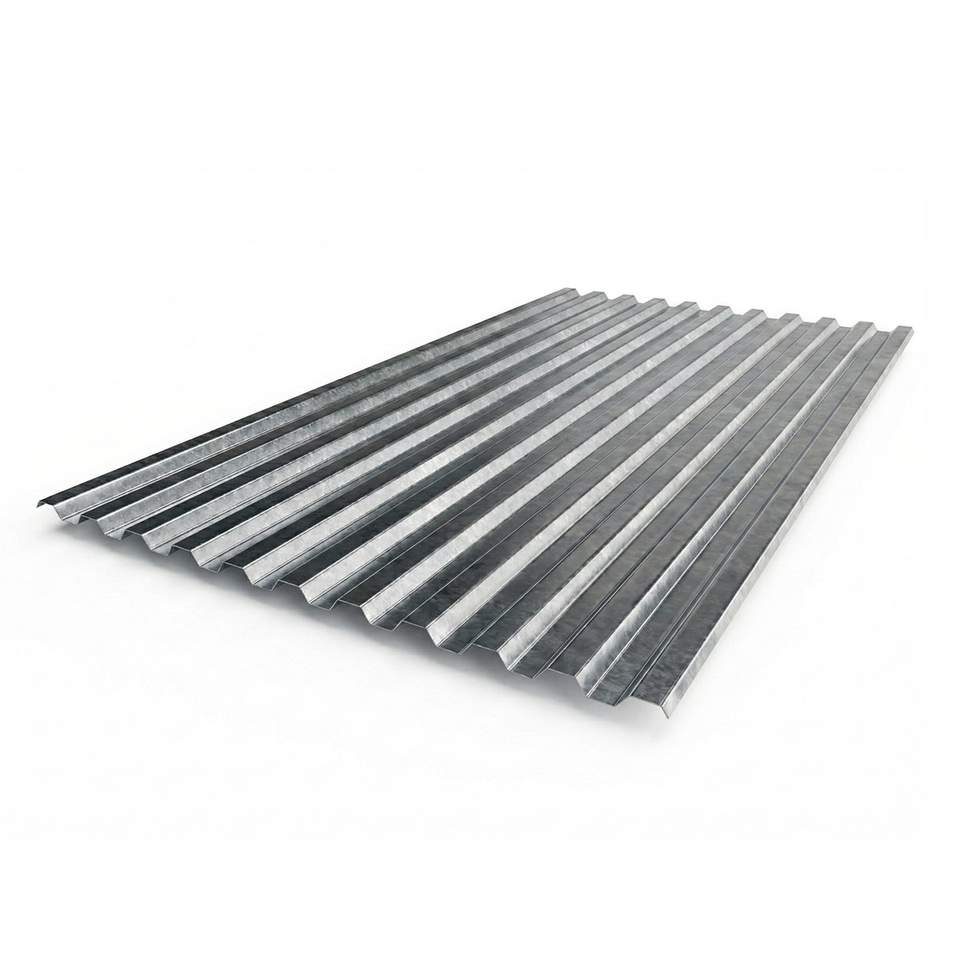
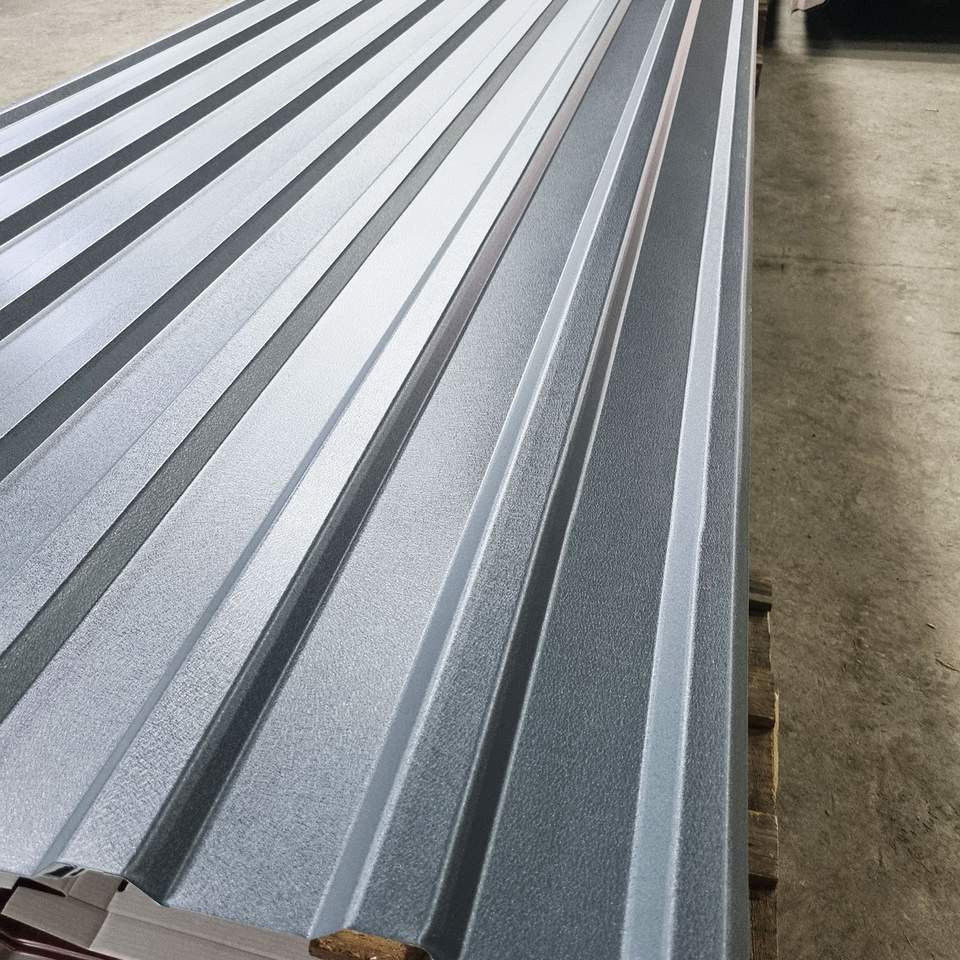
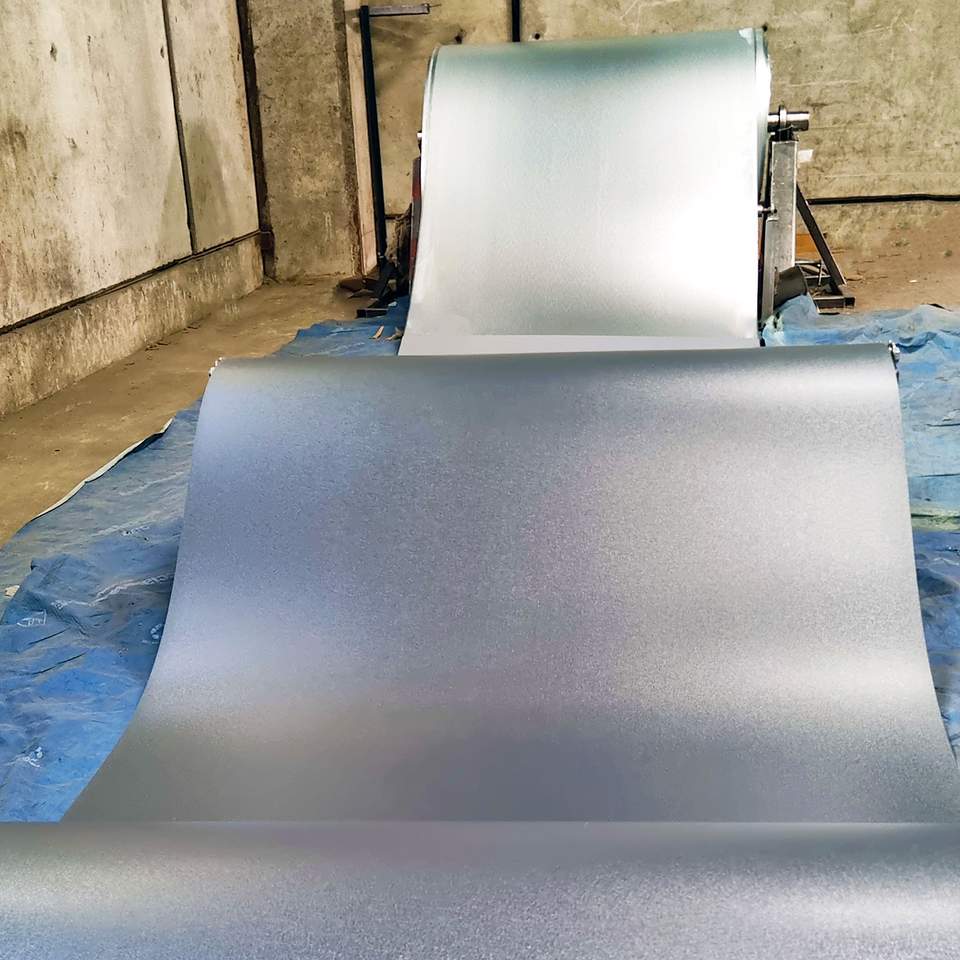
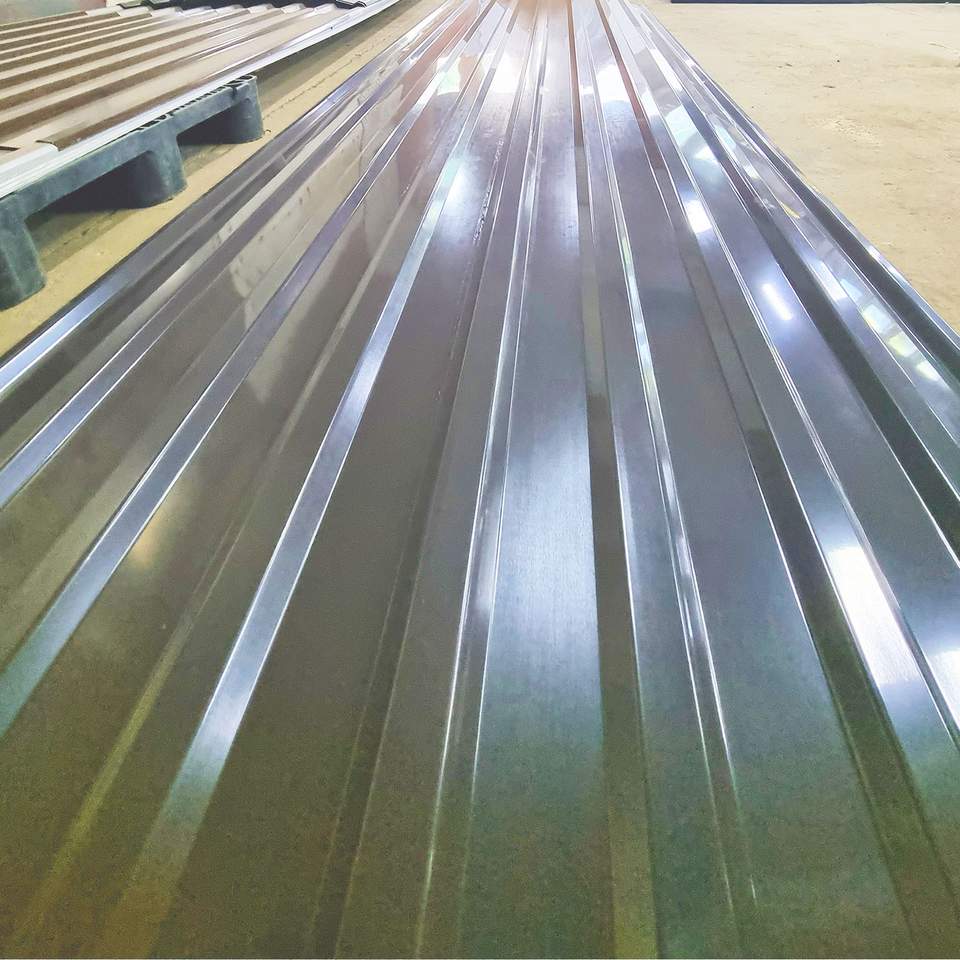
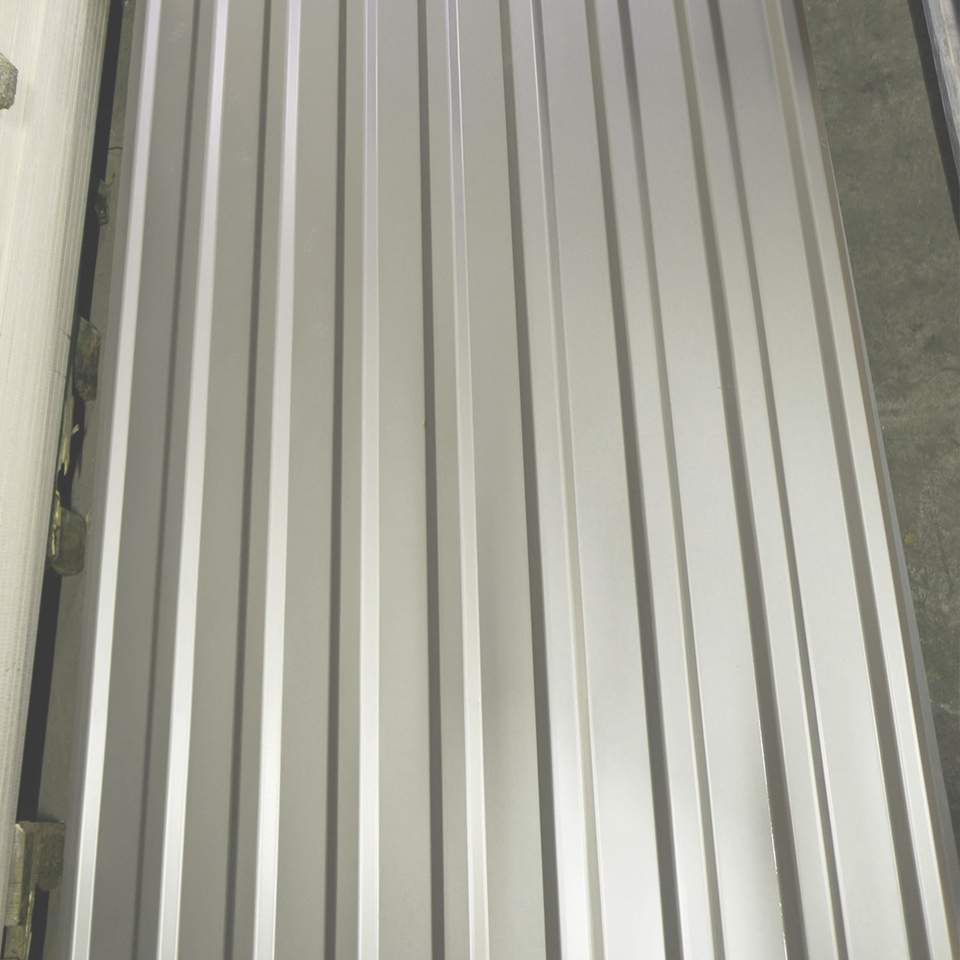
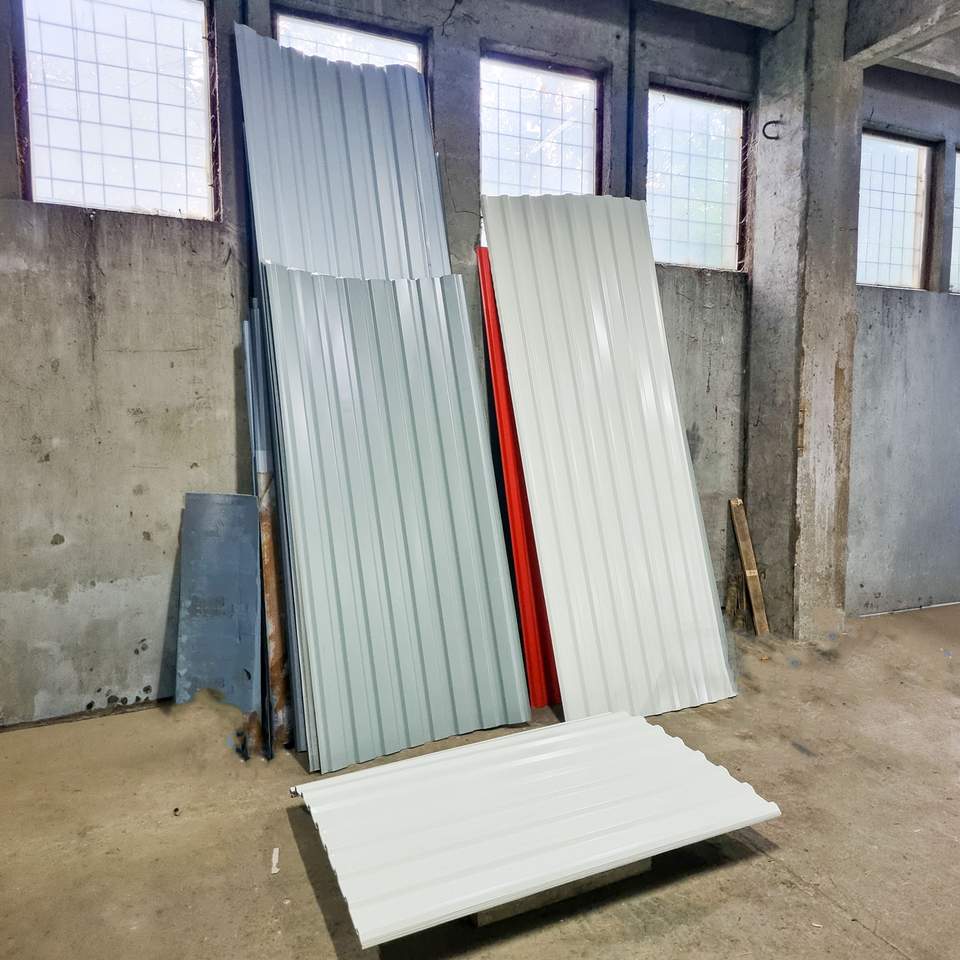
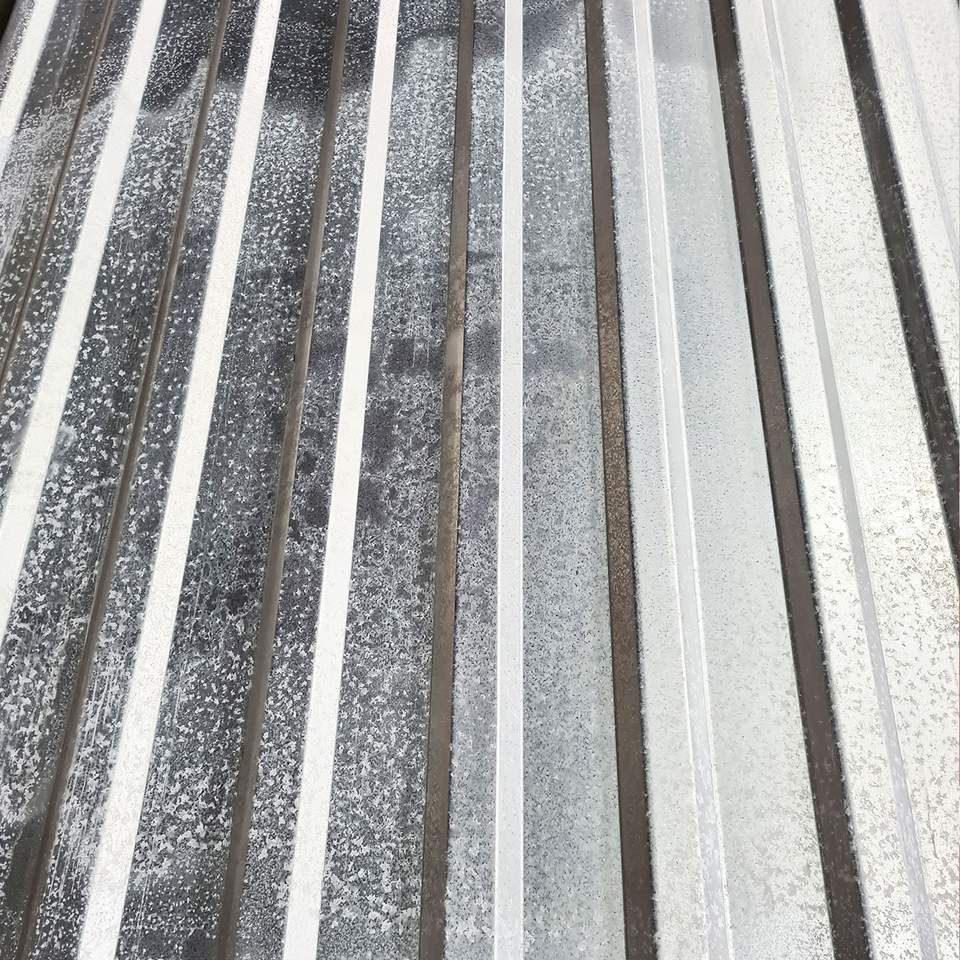
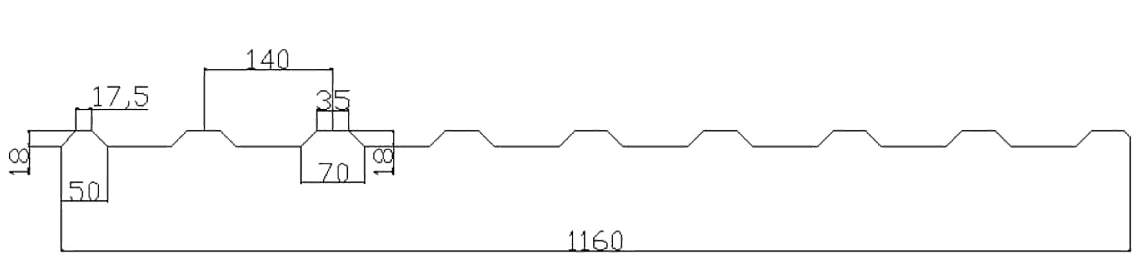
T18 Galvanised corrugated sheet – 0.5mm, galvanised on both sides
Configure your order
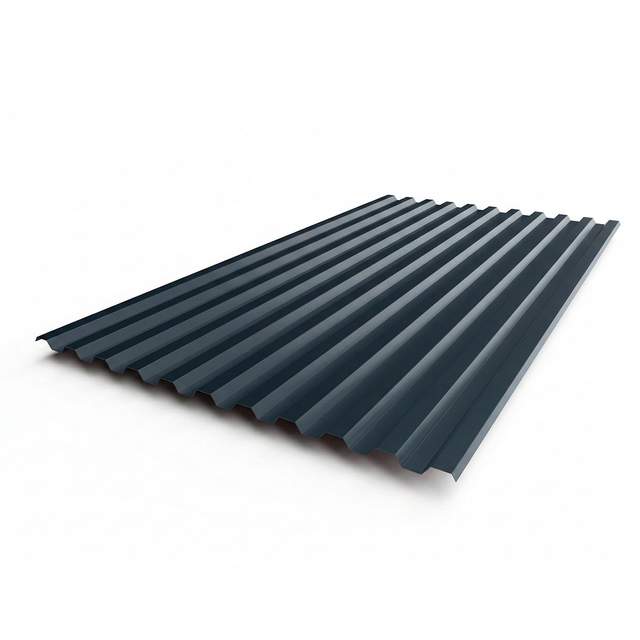
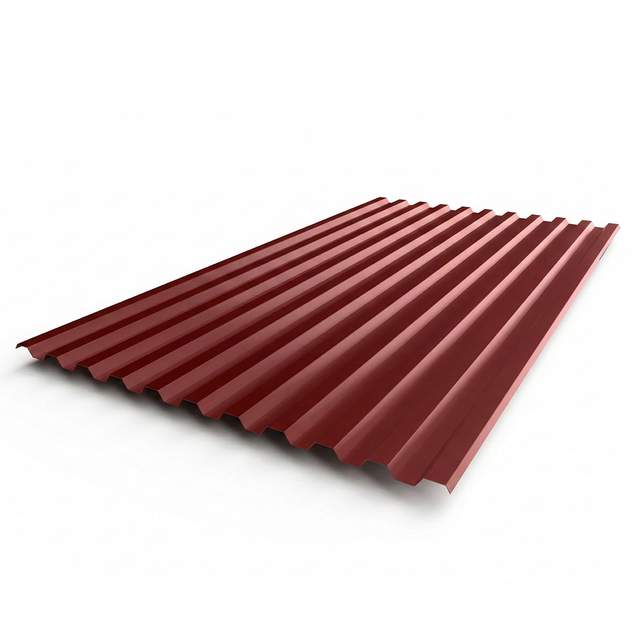
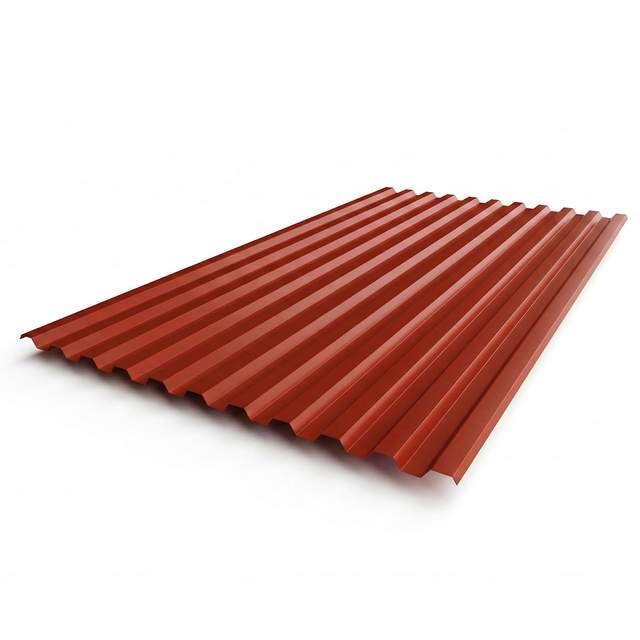
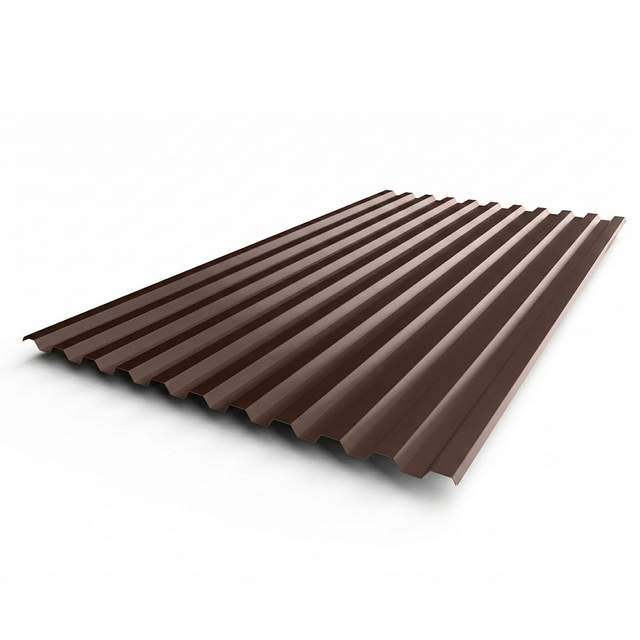
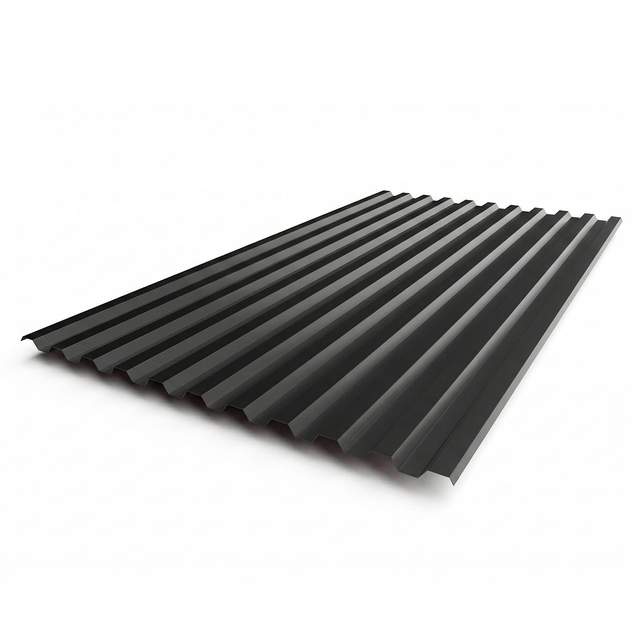
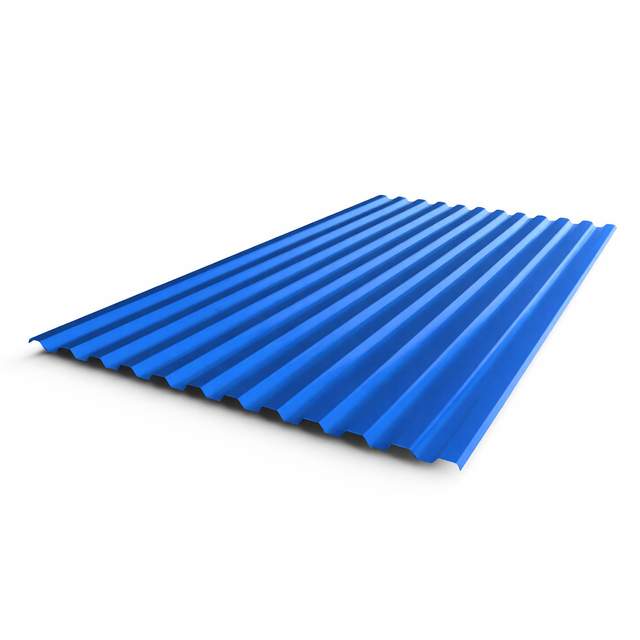
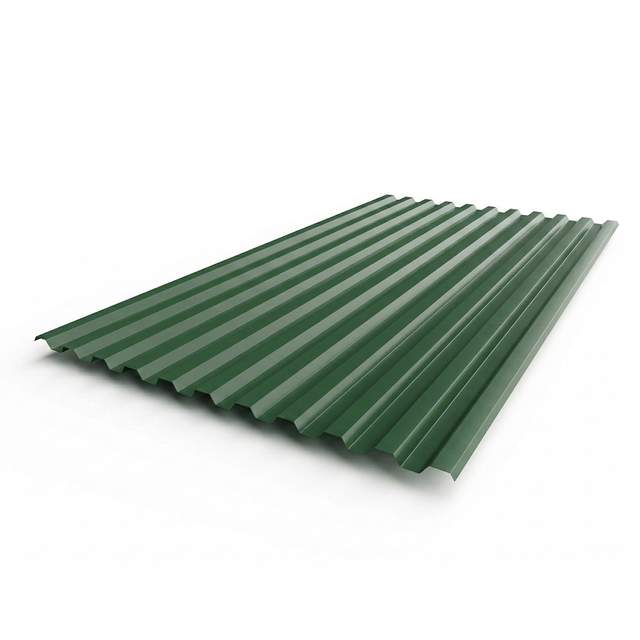
Also available in other colours
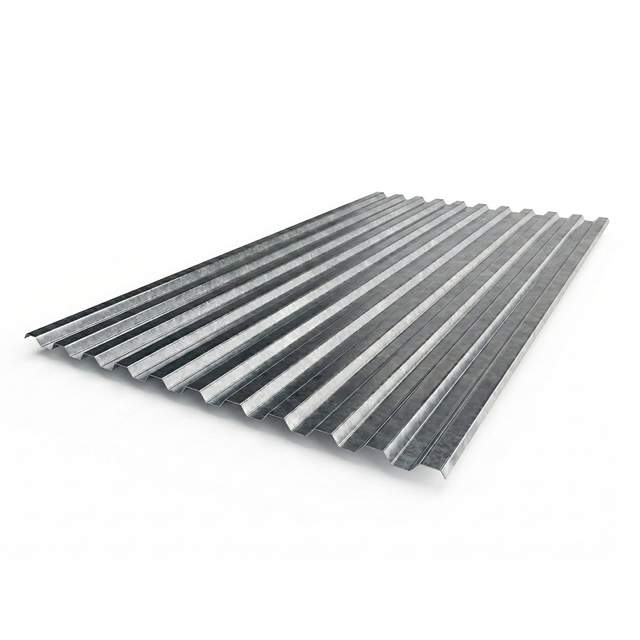
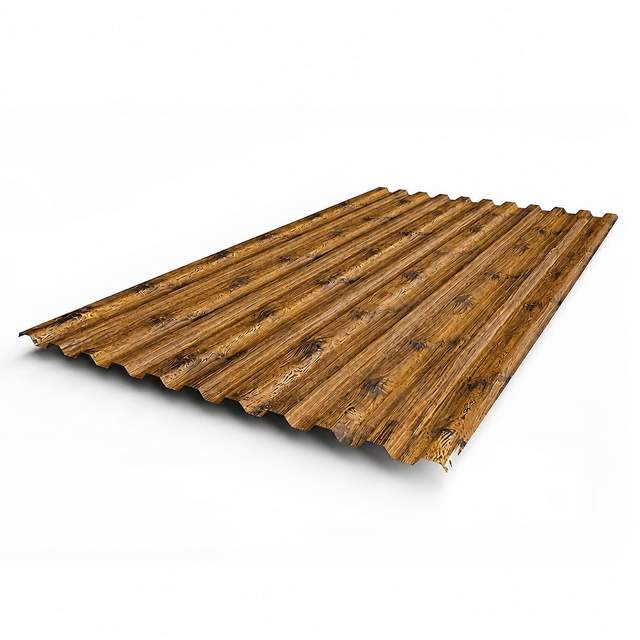
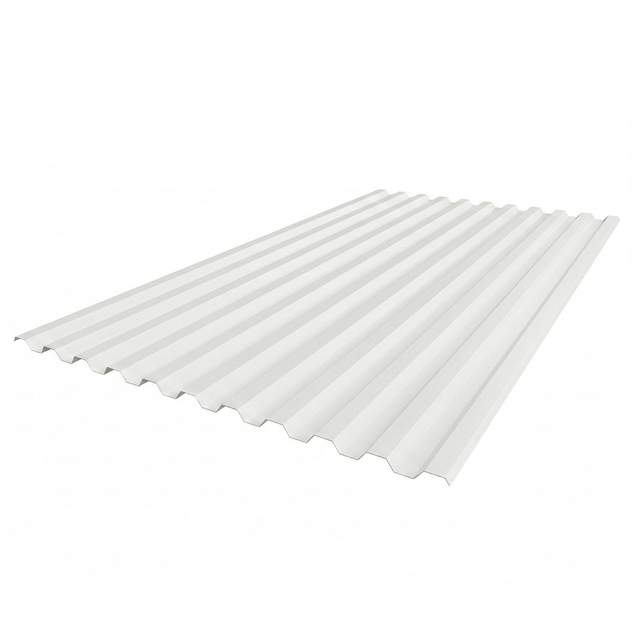
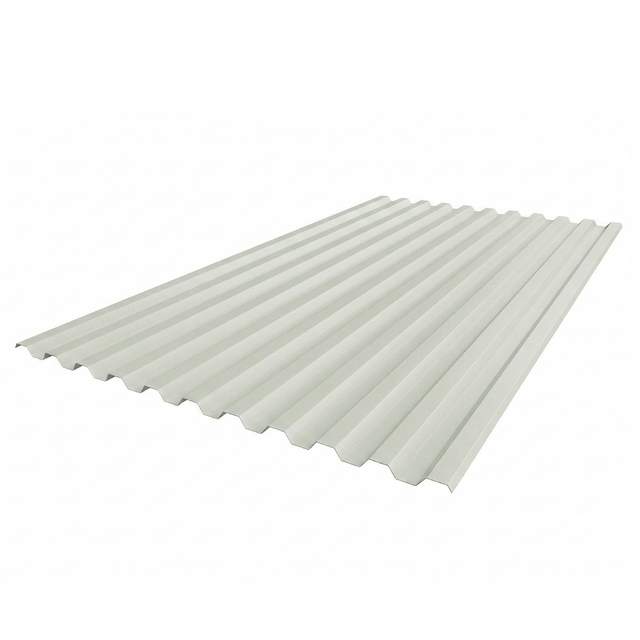
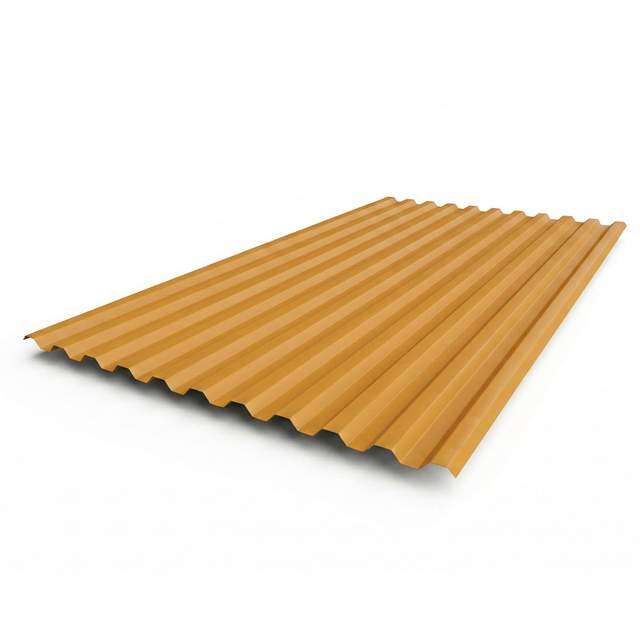
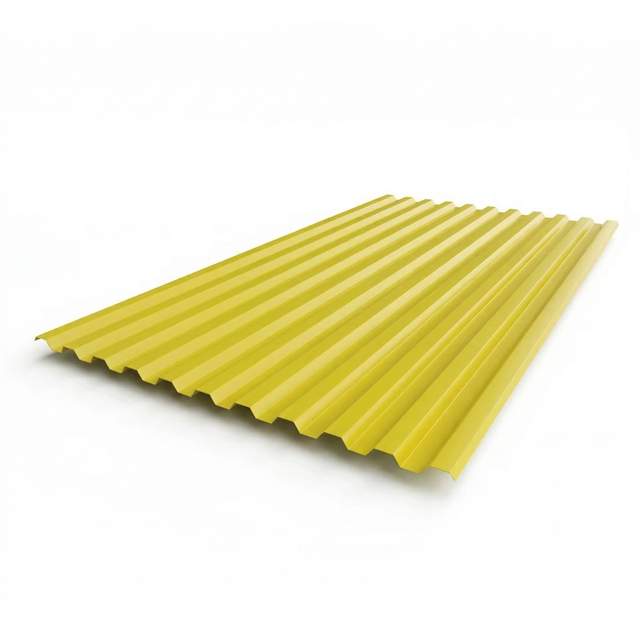
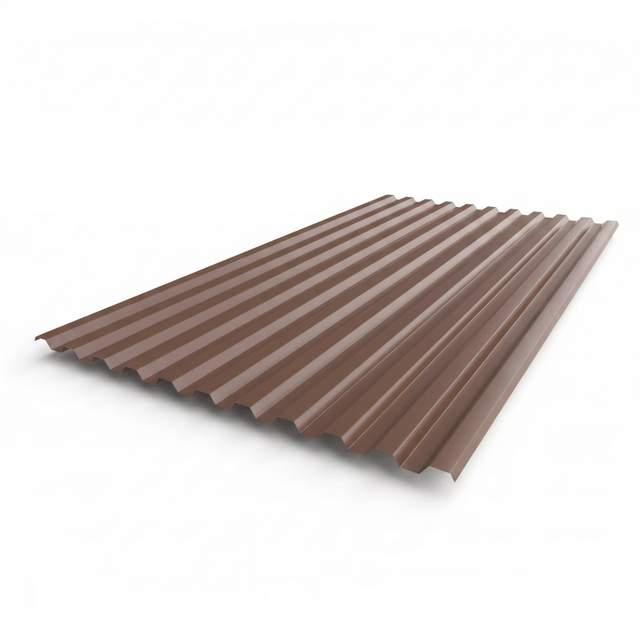
The galvanised sheet - smart savings, not the cheap option
The galvanised corrugated sheet does not try to look pretty - it performs. No colour, no extra coating, just zinc and steel in the simplest possible form. Underneath it is exactly the same strong steel sheet as on the coloured versions - only the paint is missing. That is why it is cheaper - not because it is weaker.
This is the most affordable item in our range, and a lot of customers choose it when durability matters more than colour. If the goal is for the building to stand up, stay dry and last for decades at the lowest possible cost, galvanised is made for you.
Who do we recommend it to?
- You are putting up a barn, machinery shed, store or stable where durability comes first and looks are secondary
- You are covering a temporary building that will be extended or reworked later
- You are working on a tight budget and every forint counts
- You want the fastest payback on an agricultural or industrial building
- You deliberately want an industrial, raw look - this is trendy for container homes and loft-style builds
How does the zinc layer protect the steel?
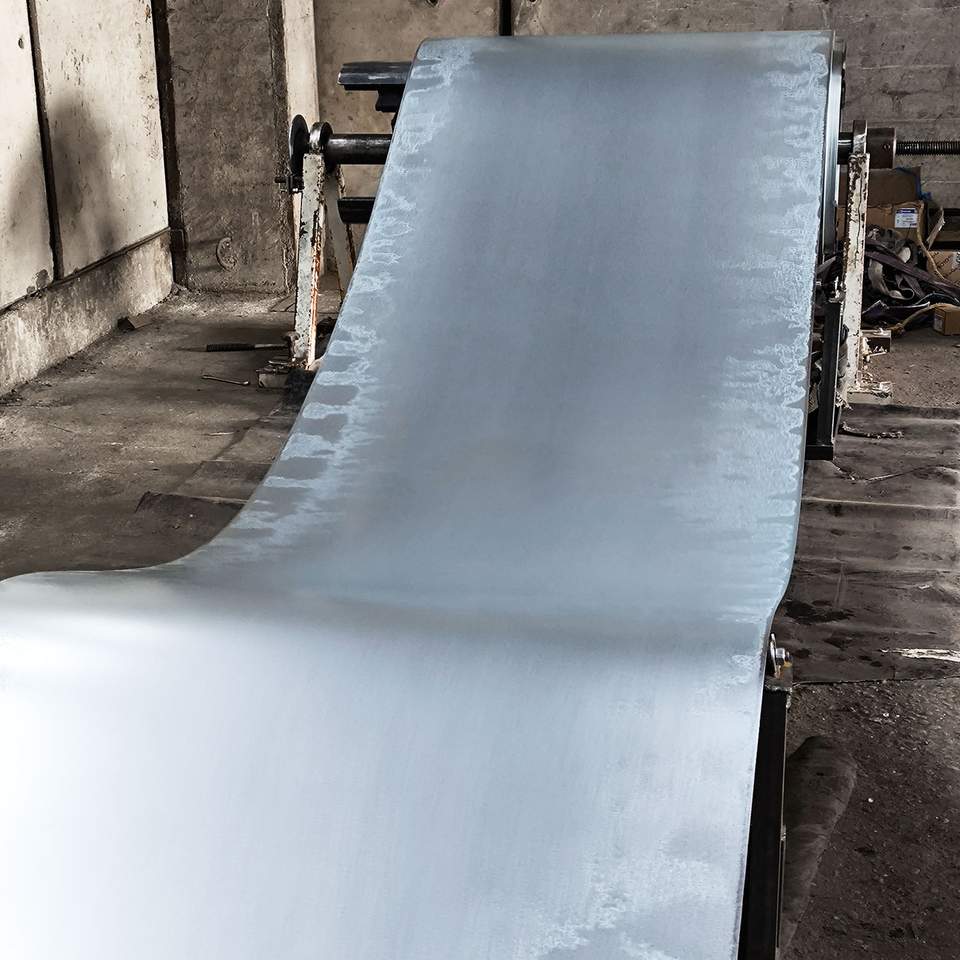
In galvanising, the steel sheet is dipped into hot, molten zinc. The zinc bonds to the steel and forms a continuous protective layer that works for you in two ways.
It covers the steel
The zinc layer does not let air or moisture reach the steel. As long as the zinc is on it, rust stands no chance.
It protects even when damaged
If the surface gets scratched, the surrounding zinc "takes the hit" from corrosion in place of the steel. In other words, a small scratch does not mean rust starts straight away.
That is why small nicks on galvanised sheet are not a problem - unlike a plain painted surface where corrosion starts under the scratch straight away.
Our galvanised sheets carry a thick zinc layer of 100-275 g/m² (combined across both sides). In a normal environment that translates to 25-40 years of corrosion protection - without any paint coating. Our customers confirm this too: people who fitted it 20 years ago are still happy with it today.
What is the galvanised sheet like in practice?
It does not overheat in summer either
The metallic shine of the galvanised surface reflects most of the solar radiation - a new sheet reflects around 60-70% of the light. This is almost as good as a white sheet, and considerably cooler than any dark colour. On a hot summer day the surface temperature typically stays between 48-58 °C.
As the sheet takes on a patina over time and shifts to matt grey, reflectivity drops a little - but it still stays more favourable than for the dark-coloured sheets.
How does the surface change with time?
A new galvanised sheet is shiny and bright - it almost mirrors the sun. In the first few months, contact with the air produces a thin, natural patina that shifts the surface to an even matt grey. This is not a fault - it is precisely the patina that reinforces the protection.
In a well-ventilated setting the process takes 6-12 months, after which the colour stays unchanged for decades. Anyone who has seen the neighbour's 15-year-old galvanised barn knows exactly what we mean.
It does not fade, does not yellow
With no paint on it, there is nothing to fade. The natural zinc patina is weather-resistant - the matt grey surface stays unchanged for decades. No need to worry about it looking bad a few years on.
The most resistant to damage
Interesting fact: against scratches and minor damage, galvanised sheet holds up better than painted sheet. The paint layer on a coloured sheet is excellent as long as it is intact - but once damaged, the steel is directly exposed to the weather.
On the galvanised sheet, zinc actively protects the steel even after damage. This is especially useful in rough use - stables, machinery sheds, where machines, tools and animals wear on the surface day in, day out.
Where does the galvanised sheet fit best?
Where it looks its best
The real home of the galvanised sheet is the agricultural building: barn, machinery shed, store, lean-to, stable. But it is increasingly chosen deliberately too - on container homes, loft-style buildings and industrial conversions, the raw metallic look is specifically sought-after.
What does it pair with?
Its best partners are natural materials: raw brick, concrete, untreated timber. But on a galvanised-roofed building, a bright red gate or a blue door gives a great contrast - many people use this as an easy, cheap way to liven it up.
Where we do not recommend it
For the street-side façade of a home, a guesthouse or the roof of a shop, it is not the best choice - not because it is technically weaker, but because in those places the raw metallic look can feel "cheap". For such situations, take a look at our coloured versions.
Building regulations - worth checking ahead
Most municipal building codes specify the material (tile, slate, metal sheet), not the colour - in which case galvanised sheet qualifies just the same as any coloured version.
Where the roof colour is regulated too, the natural grey appearance of galvanised sheet typically does not meet the "tile-coloured" requirement. In listed and landscape-protected areas it is generally not permitted on dwellings - but usually it is fine for farm buildings.
Installation notes
Thermal expansion - favourable
The bright surface reflects the sun, so the sheet heats and expands less. A 6-metre sheet moves around 3-4 mm - completely normal.
Cut-edge treatment
Wherever you cut or drill the sheet, the zinc layer is interrupted. For longer cuts it is worth treating the edge with zinc spray, especially in damp, humid locations.
Choice of screws
Use galvanised or stainless-steel screws with galvanised sheet. A painted screw does not match, and can cause problems in the long run.
Maintenance - virtually none
No paint that can fade. No coating that can be damaged. Natural rain keeps the surface clean. One of the lowest-fuss roof coverings there is.
How does the galvanised sheet age?
Ageing on galvanised sheet is different from the painted versions - it is not degradation but the sheet continuously reinforcing its own protection.
The shiny zinc surface gradually shifts to an even matt grey. This is the natural process that strengthens the protection - not damage.
The patina settles: an even, attractive grey surface that does not change for decades. Full corrosion protection, zero maintenance.
The zinc layer slowly thins, but thanks to the thick coating it comfortably lasts 30-40 years in a normal environment. Looking at our customers' decades-old sheets, we can confidently say: it is worth it.
There is no "ugly ageing phase" with galvanised. The only change is the shift from shiny brightness to matt grey, which takes place in about six months - after which it looks the same for decades.
Frequently asked questions
Is the bare galvanised T18 sheet coated on both sides?
Yes. The bare galvanised sheet gets its zinc coating on both faces, not only the visible one, so fences and outbuildings are protected from either side.
How much does Galvanised corrugated sheet cost?
Our Galvanised T18 0.5mm corrugated sheet costs 2,240 Ft/m². The price is gross and includes VAT. Free shipping above 250 m².
What thickness is the Galvanised corrugated sheet available in?
Our Galvanised corrugated sheet is made from 0.5mm quality steel. That is thicker than the 0.4mm commonly sold on the market. 0.6mm is periodically available too.
How long does production of the Galvanised corrugated sheet take?
From stock material we produce within 48 hours, cut to size. The Galvanised colour is continuously in stock.
What warranty do you give on the Galvanised corrugated sheet?
We offer a 20-year warranty on every sheet we make, including the Galvanised colour. This is almost unique in the industry.

Questions about T18 Galvanised corrugated sheet?
Roland Farkas, managing director